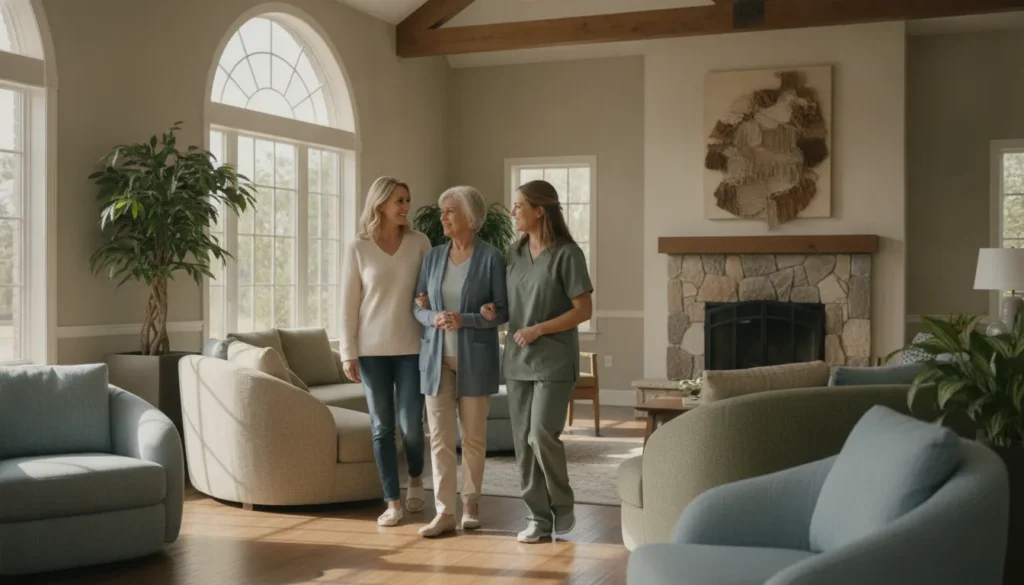
A serious illness can reshape a family’s daily life long before a loved one needs end-of-life care. Questions about symptoms, treatment choices, appointments, and staying comfortable often arise at the same time, leaving families unsure where to begin.
What is palliative care at home? It is specialized medical care for someone living with a serious illness, delivered in the home to help manage symptoms, relieve stress, and support quality of life. Unlike hospice, it may be provided at any age or stage of illness and alongside treatment intended to cure or control the condition.
Home-based palliative care may include visits from medical professionals, symptom management, emotional support, and help coordinating care. It is different from non-medical home care, which can complement that medical plan with practical daily assistance and companionship. Understanding what the medical team provides, and where additional household support may help, starts with a closer look at palliative care in the home.
What Is Palliative Care at Home?
Palliative care at home is specialized medical care for people living with a serious illness. It brings an added layer of support into the home, where a person may feel more comfortable discussing symptoms, priorities, and concerns with their care team. The goal is to improve quality of life for the individual and the family, not to replace treatment for the illness.
Unlike care reserved for one age group or a specific point in an illness. Palliative care is appropriate at any age and at any stage of a serious illness. It can begin soon after diagnosis or later, and it may continue alongside treatments intended to slow, manage, or cure the underlying condition. The National Institute on Aging explains that palliative care can occur alongside other treatment, so families do not necessarily have to choose between comfort-focused support and ongoing medical care.
What does home-based palliative care include?
A home-based team may help address physical symptoms, emotional distress, and the practical challenges that come with serious illness. For example, a person may need help managing pain, shortness of breath, fatigue, nausea, anxiety, or other symptoms related to a chronic or serious condition. Home-based programs can also provide emotional support and help clarify goals of care in a familiar setting. The specific services depend on the person’s condition, care plan, and available provider network.
Palliative care is also interdisciplinary. Doctors, nurses, social workers, and other professionals may work together with the person and their loved ones to coordinate care around the individual’s goals and values. This can make it easier to communicate with existing providers, understand treatment choices, and identify changing needs. Palliative care may be provided for as long as it remains helpful, rather than ending after a fixed period.
Why this support matters for families
Nearly 40 million Americans live with serious illnesses that may require specialized support, according to a healthcare figure cited by Carolina Caring. For families in Aurora and the Denver metro area. Receiving appropriate medical support at home can reduce the strain of repeated travel while keeping care conversations connected to daily life. Palliative care is a medical service delivered by qualified providers; families can separately explore non-medical home care for companionship, household assistance, and everyday support.
Palliative Care vs. Hospice: Key Differences Every Family Should Know
Many families confuse palliative care and hospice because both are designed to relieve suffering and support quality of life. The important distinction is when each type of care may be used and whether treatment intended to cure or control an illness continues. A palliative care team may work alongside a person’s existing medical providers, while hospice is generally centered on comfort during the final phase of life.
Key differences between palliative care and hospice care
| Consideration |
Palliative care |
Hospice care |
| Primary focus |
Relieves symptoms, supports quality of life, and helps families navigate serious illness. |
Prioritizes comfort, dignity, and quality of life near the end of life. |
| Curative treatment |
Can be provided alongside curative or disease-directed treatment. |
Usually begins when a person chooses comfort-focused care instead of curative treatment. |
| Timing |
May begin at any stage of a serious illness and is not limited by a particular prognosis. |
Typically serves people with a life expectancy of six months or less who meet hospice eligibility requirements. |
| How long it lasts |
Can continue as long as it supports the person’s illness-related needs and care goals. |
Continues while the person remains eligible and hospice remains aligned with their goals. |
Both approaches can involve a coordinated team and meaningful support for care partners. The National Institute on Aging explains that palliative and hospice care share a focus on comfort, care. And quality of life, while hospice is a specific form of palliative care used in the final weeks or months of life. Read the NIA’s overview of palliative and hospice care for additional context. Hospice eligibility commonly includes a six-month-or-less prognosis, while palliative care can continue based on changing needs and goals rather than a fixed time limit. Mass General Brigham’s home-based care guide provides further detail on these distinctions.
Touching Hearts at Home Aurora does not provide palliative care or hospice care. This comparison is educational only. Families should discuss diagnosis, prognosis, treatment choices, and eligibility with a physician or qualified palliative or hospice provider. Non-medical home care may be considered separately for daily living support, companionship, or household assistance, depending on the family’s needs and the medical team’s plan.
Who Can Benefit From Palliative Care at Home?
Palliative care at home may be appropriate for anyone living with a serious illness that affects comfort, daily routines, or emotional well-being. It is not reserved for older adults or for people who have stopped treatment. The National Institute on Aging explains that palliative care is available to people of any age, including those who are receiving care for a complex or life-changing condition.
People living with serious or chronic illness
Many conditions can create needs that palliative care is designed to address. Examples include cancer, heart failure, chronic obstructive pulmonary disease (COPD), dementia, and Parkinson’s disease. Other serious heart, lung, or kidney conditions may also lead to physical or emotional pain that is difficult to manage alone. A palliative care team can help families discuss symptoms, care priorities, and practical goals with the person’s existing medical providers.
Support can begin at different points in an illness. Some people seek it soon after diagnosis, while others begin when symptoms become harder to manage or everyday decisions feel overwhelming. The goal is to improve comfort and quality of life while respecting the person’s preferences, whether or not curative treatment continues.
Family caregivers and care partners
Palliative care can also help the people providing day-to-day support. Family caregivers often need guidance as they respond to changing symptoms, coordinate appointments, and make decisions with a loved one. A palliative care team can offer education, help clarify the care plan, and create space for caregivers to discuss their own concerns.
Choosing palliative care does not mean a family is giving up. It means adding specialized support around a serious illness so the person and their care partners can make informed decisions and focus on what matters most at home. Medical eligibility and available services vary, so families should ask the person’s physician or a qualified palliative care provider whether an in-home program is appropriate.
Learn more about who can benefit from palliative care from the National Institute on Aging.
How Non-Medical Home Care Supports Palliative Care Patients
Palliative care is medical care provided by a qualified clinical team. Non-medical home care serves a different, complementary role. For families in Aurora and the surrounding Denver metro area. In-home support can make it easier for a loved one to manage everyday routines while receiving palliative treatment from their medical providers.
Support with everyday activities
A serious illness can make ordinary tasks feel difficult or exhausting. A non-medical caregiver may help with personal routines, meal preparation, light household tasks, mobility assistance, and other activities of daily living. This practical support can help a loved one remain more comfortable at home and give family caregivers time to rest, work, or focus on meaningful visits.
Touching Hearts at Home Aurora provides personal care services as part of its non-medical home care offering. Depending on the care plan and the family’s needs, support may include assistance with bathing, dressing, grooming, toileting, and safe movement. Caregivers do not diagnose conditions, administer medical treatment, or replace a palliative care team.
Companionship and household assistance
Living with a serious illness can also affect a person’s emotional well-being. Conversation, a reassuring presence, and help maintaining familiar routines can reduce isolation and make time at home feel less overwhelming. Companion care may include social engagement, activities the loved one enjoys, errands, meal support, and light household assistance.
These services complement, rather than substitute for, the symptom management, medical guidance, and care coordination provided by the palliative team. Families should continue directing questions about pain, medications, treatment decisions, and changes in symptoms to the appropriate medical professionals.
Care plans with RN oversight
Touching Hearts at Home Aurora uses Registered Nurse oversight for its care plans. This oversight helps the agency adjust non-medical support as a loved one’s condition and daily needs evolve. It does not turn companion or personal care into clinical care, but it can help families clarify the boundaries between home care, medical home health, and palliative services.
Families can learn more about the role of non-medical support in palliative care while remembering that Touching Hearts at Home Aurora does not provide palliative or hospice care. The palliative provider remains responsible for medical treatment. And a non-medical home care agency can help with the daily support that makes an individualized plan more manageable at home.
Palliative Care Options for Aurora and Denver Metro Families
Families in Aurora and the Denver Metro area may need to coordinate several kinds of support at once. A medical palliative care team can address symptoms, treatment goals, and communication among providers. A non-medical home care partner can help with the daily routines that make it possible for a loved one to remain safe and comfortable at home. Together, these services can create a more complete plan than either one could provide alone.
Start with the medical palliative care team
Ask your loved one’s primary care provider or specialist for referrals to in-home palliative care programs serving your community. When comparing providers, ask whether visits take place in the home, which clinicians are included. How the team communicates with the regular doctor, and how urgent concerns are handled. It is also helpful to clarify what insurance or payment arrangements may apply and whether the provider can continue supporting the family as needs change.
During the first conversation, share the full picture: current symptoms, medications, mobility concerns, emotional needs, caregiver availability, and the routines that matter most to your family. This information helps the medical team build a plan around the person’s goals, not only the diagnosis.
Add non-medical support for everyday life
Palliative care does not replace practical help with meals, personal routines, light household tasks, companionship, or supervision. Touching Hearts at Home Aurora does not provide palliative or hospice care. Instead, its non-medical caregivers can support families alongside the medical team, helping with daily living while loved ones receive clinical care from their chosen providers.
Touching Hearts at Home Aurora serves Aurora, Parker, Castle Rock, and surrounding areas. Families can discuss the type and schedule of non-medical support that may fit their care plan, with RN oversight helping keep services appropriate as circumstances evolve. Clear communication among the family, palliative clinicians, and home care provider can reduce confusion and give everyone a shared understanding of responsibilities.
When evaluating options, look for providers that respect the medical team’s role, explain their limits clearly, and involve the family in care planning. The right combination can help a loved one receive skilled symptom support while maintaining dependable help and meaningful connection at home.
How to Talk to Your Family About Palliative Care
Talking about serious illness can feel overwhelming, especially when family members have different expectations or are worried that palliative care means giving up. A calm, practical conversation can help everyone understand the available support and the care goals that matter most to your loved one.
-
Choose a comfortable time to begin. Pick a quiet setting without rushing to another appointment. You might say. “I want to understand what would make you feel more comfortable at home,” or “Would you be open to learning what support is available while you continue treatment?” Ask permission to talk. Listen without interrupting, and allow the conversation to continue over several shorter visits if needed.
-
Focus on goals, symptoms, and daily life. Ask your loved one what feels hardest right now, what activities they want to keep doing, and what concerns they have about being at home. Palliative care can address comfort and quality-of-life needs alongside treatment. It is not limited to a specific timeline, so ask the healthcare team how it may fit the current diagnosis and care goals.
-
Prepare questions for the healthcare provider. Before the appointment, write down questions such as:
- What services are included in this palliative care program?
- Who is on the care team, and how do the members coordinate with the primary doctor and specialists?
- What should we expect during a home visit?
- Whom should we call if symptoms or concerns change between visits?
- Which support is medical, and which daily tasks may require a separate non-medical home care provider?
-
Gather useful information before care begins. Prepare a current medication list, diagnoses, contact details for providers, insurance information, advance directives if available, and notes about symptoms or changes in daily routines. Include your loved one’s preferences, cultural considerations, and the family members who should receive updates. If you need general guidance about home care questions, review these questions about in-home care services.
-
Clarify who will handle daily support. Palliative clinicians and non-medical caregivers serve different roles. Ask the medical team what it will manage, then identify help needed with companionship, meals, errands, personal routines, or household tasks. Keeping those responsibilities clear helps family members coordinate without treating one service as a substitute for another.
Frequently Asked Questions
How does in-home palliative care work?
A palliative care team visits a person’s home to provide specialized medical support, help manage symptoms, address emotional concerns, and coordinate care around the family’s goals. The team works alongside the person’s existing doctors and treatments. Non-medical home care can complement that plan with help for daily routines, companionship, and household tasks, but it does not replace medical palliative services.
When should someone be offered palliative care?
Palliative care may be appropriate when a person is living with a serious illness and needs help managing symptoms, stress, or changing care needs. It can begin at any stage of an illness, including soon after diagnosis. And it can continue while the person receives treatment intended to slow or cure the illness. Families do not need to wait until the final months of life to ask about it.
What is the difference between palliative care and hospice?
Palliative care can accompany curative or disease-directed treatment at any stage of a serious illness. Hospice is generally intended for people nearing the end of life who are no longer pursuing curative treatment. Both approaches prioritize comfort and quality of life, but they serve different care goals. A physician or qualified care team can help explain which option fits the person’s situation.
How long can someone receive palliative care?
There is no fixed time limit for palliative care. It may continue as long as the person benefits from symptom support, care coordination, and guidance for the family. The plan can change as the illness, treatment goals, and daily needs change. Ask the medical team to review the plan regularly and explain what support is available at home.
Ready to Explore Home Care Support?
When a loved one receives palliative care, non-medical help with daily routines, companionship, and household tasks can make home life feel more manageable. Touching Hearts at Home Aurora does not provide palliative or hospice care, but our team can explain how home care may complement the medical support your family chooses. Contact Touching Hearts at Home Aurora at (303) 718-6438 to learn more about support options for your family.