Homemaker Services & Errands: Why Daily Living Support Matters More Than People Realize
Supporting Independence, Safety, and Comfort for Older Adults in Central NY
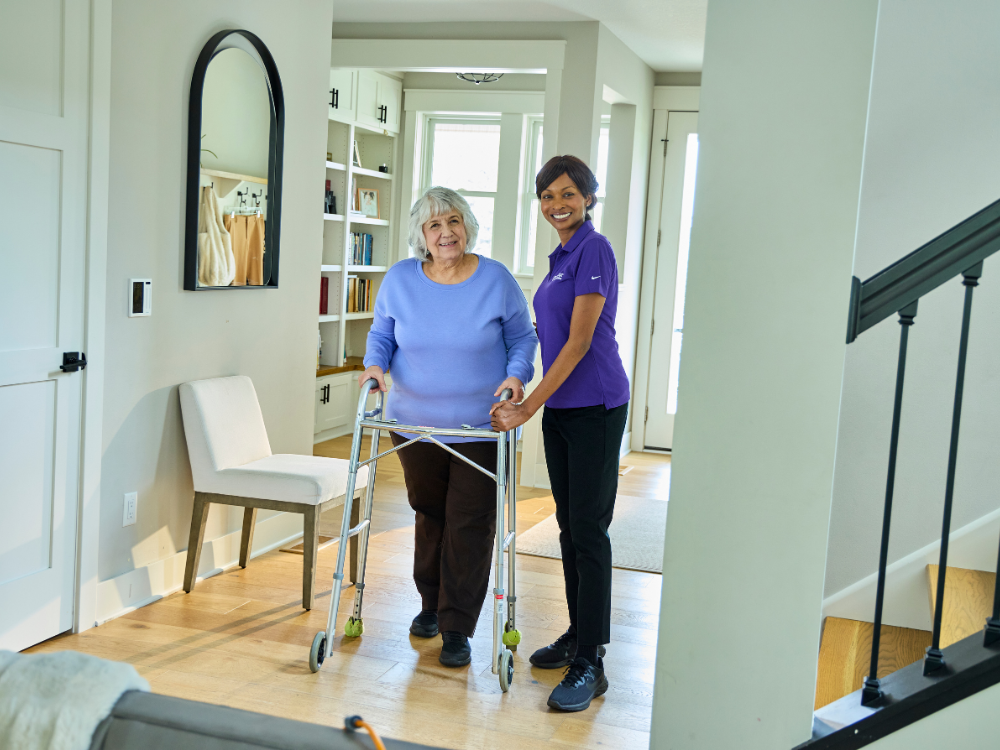
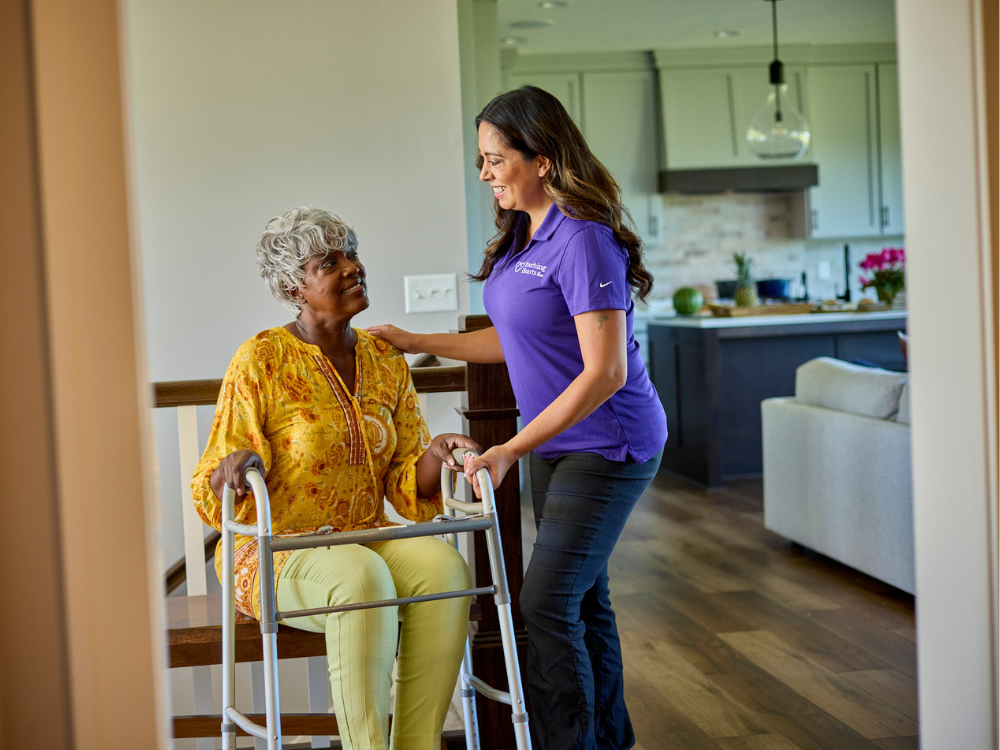
When people think about home care, they often imagine medical tasks, hands-on physical support, or advanced caregiving needs. But for many older adults, the most meaningful supports are far simpler — and far more foundational: maintaining a clean and organized home, managing daily errands, preparing meals, doing light laundry, and keeping life’s daily rhythm intact.
These are not just tasks.
They are part of what allows a person to remain independent, confident, and stable in their home.
Across Syracuse and Central New York communities such as Liverpool, Baldwinsville, Fayetteville, Camillus, Manlius, DeWitt, Clay, and Skaneateles, families are recognizing how essential these daily supports are — especially when living alone, recovering from illness, or navigating changes in mobility or energy.
Homemaker services and errand support form one of the strongest foundations of aging in place.
Why Daily Living Tasks Become More Challenging Over Time
As the body ages, energy levels, joint function, vision, and balance may change. What once felt simple — carrying groceries, bending to reach storage, scrubbing a kitchen floor, sorting mail, retrieving laundry from the basement — can gradually become tiring or unsafe.
This shift doesn’t mean a person is no longer capable or independent. It simply means the environment and expectations must adapt.
Day-to-day tasks require:
- Standing for extended periods
- Reaching, bending, or balancing
- Sequencing multiple steps
- Managing clutter or movement pathways
- Sustaining energy across transitions
When these become tiring or risky, the home environment may gradually shift from comfortable to overwhelming.
Yet individuals rarely describe these challenges openly.
They adapt quietly — often by doing less, isolating more, or living among increasing clutter or disorganization.
Support during this stage is not only practical — it is preventative.
The Consequences of “Trying to Do It All” Alone
Studies have shown that when older adults struggle to maintain daily household tasks, it can lead to:
- Increased fall risk
- Nutritional decline from reduced meal prep
- Social withdrawal due to embarrassment or fatigue
- Medication errors due to routine disruption
- Higher stress and anxiety in daily life
- Increased hospitalization risk linked to unmanaged living environments
A report from the National Institute on Aging notes that support with daily living tasks can significantly reduce preventable hospitalizations by maintaining stability and routine (NIA, 2023).
This isn’t about cleanliness or appearances.
This is about safety, identity, and emotional well-being.
A Clean and Organized Home Helps Support Emotional Health
The home environment has a strong influence on how a person feels. Clear pathways, tidy surfaces, routine meal preparation, meaningful order, and familiar organization patterns all contribute to:
- Reduced anxiety
- Improved mental clarity
- Greater mobility confidence
- Increased willingness to engage in daily activities
- Better sleep and relaxation
When the home is manageable and grounded, a person feels more in control of their life.
Independence Does Not Mean Doing Everything Alone
One of the most common fears among older adults is the loss of independence. Many equate accepting help with “no longer being able to take care of myself.” But independence does not mean doing everything without assistance — it means having control, choice, and agency over daily life.
Homemaker services reinforce independence by:
- Removing physical strain
- Reducing fall risks
- Supporting routine
- Improving emotional comfort
- Creating time and energy for meaningful activity
Independence is strengthened when physical effort is supported in sustainable ways.
Errands & Outings: Maintaining Community Connection
Errands might seem like simple tasks — picking up prescriptions, grocery shopping, mailing letters, going to the bank. But they are also points of community interaction and personal agency.
When errands become difficult:
- Older adults may feel disconnected
- Decision-making can become narrower
- Confidence may decline
- Social opportunities decrease
- The world begins to feel “smaller”
Supporting errands is not only practical — it helps maintain identity and belonging.
And in Central NY winters, where roads and sidewalks can be icy for months, accompaniment and transportation become even more meaningful.
Companionship Within Daily Living
Some of the most meaningful conversations happen while sharing everyday tasks:
- Setting a table
- Folding laundry while reminiscing about family
- Choosing produce at the grocery store
- Watering plants together
- Reading mail and discussing news or memories
These moments offer continuity and emotional grounding.
Care happens not only through assistance — but through presence.
How Touching Hearts at Home of Syracuse Supports Daily Living
At Touching Hearts at Home of Syracuse, homemaker and errand services are not treated as side tasks, but as core components of meaningful home-based support. We take time to understand individual preferences, routines, and personal comforts — then build support around them with respect and reliability.
Our support may include:
- Light cleaning, tidying, and home organization
- Laundry and linen changing
- Grocery planning and shopping
- Meal preparation based on personal tastes
- Assistance with bill organization or sorting mail
- Decluttering to support safe movement pathways
- Transportation and accompaniment for errands and activities
- Discreet guidance that supports independence while reducing strain
- Gentle accountability to maintain healthy daily routines
Every service is delivered at a pace that matches the person — never rushed, never intrusive, always respectful.
We help create a home environment that is safe, manageable, and reflective of the person who lives there.
If You Are Exploring Daily Living Support for a Loved One
We understand how personal this decision is. Many families want to help as much as possible, but time, distance, work schedules, and emotional load can make it difficult to sustain every aspect of support alone.
You do not have to carry this alone.
Your loved one does not have to struggle in silence.
And accepting support does not diminish independence — it protects it.
Daily living support is not small.
It is foundational.
It is what makes home feel like home.
And with the right support, older adults can continue to live with comfort, confidence, and dignity — right where they belong.