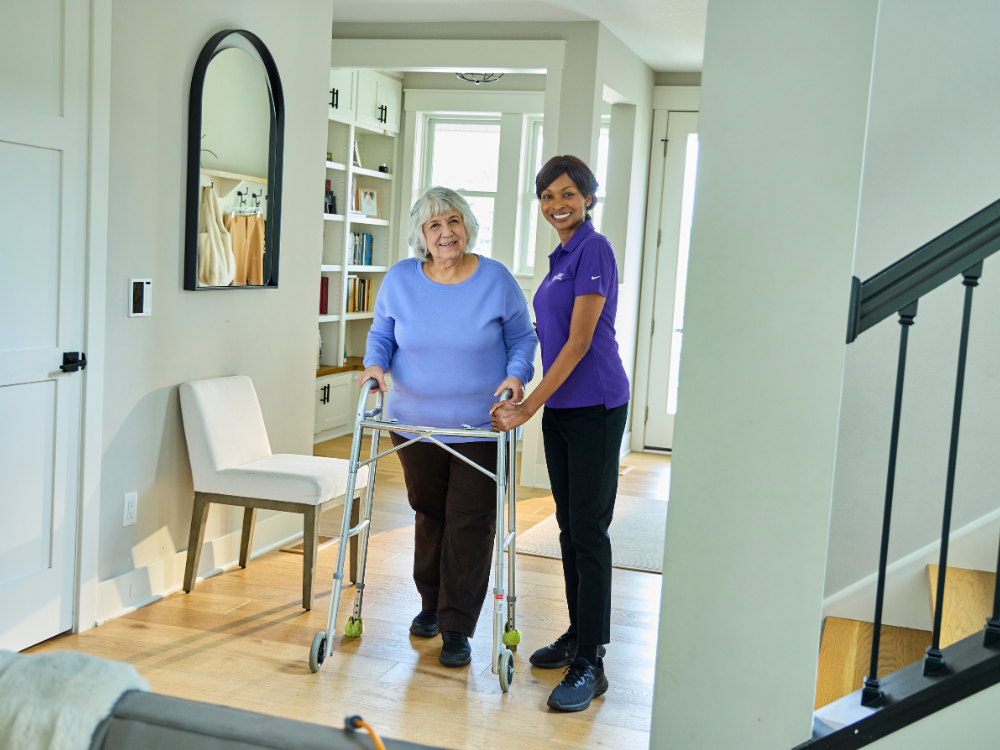

Transportation & Accompaniment for Appointments, Activities & Community Outings
Supporting Independence, Confidence, and Community Connection for Older Adults in Central NY
The ability to remain connected to the community — to attend appointments, enjoy outings, keep traditions, visit familiar places, and simply get out into the world — is a significant part of emotional well-being for older adults. Yet transportation can become one of the earliest and most challenging transitions when mobility, vision, or confidence behind the wheel begins to change.
Across Syracuse and Central New York communities such as Liverpool, Baldwinsville, Fayetteville, Manlius, DeWitt, Camillus, Clay, and Skaneateles, many families share a similar concern:
“My loved one wants to stay active and independent, but I can’t always be there to drive them or accompany them.”
This is not a small detail — transportation is a key factor in whether an older adult remains socially connected or becomes isolated. It influences emotional well-being, medical stability, cognitive engagement, and overall quality of life.
Transportation support and accompaniment services are not simply about getting from place to place.
They are about preserving identity, autonomy, dignity, and participation in everyday life.
The Emotional Importance of Being Able to Go Where You Want to Go
Many older adults have spent decades planning their own schedules, driving their own routes, and deciding where they want to go and when. The ability to move freely through one’s community is deeply tied to:
- A sense of control
- Confidence and self-esteem
- Personal identity
- Belonging and community connection
- Routine and lifestyle continuity
When driving becomes difficult or unsafe, it can feel as if the world is shrinking around a person.
This transition is not only practical — it is emotional.
Care needs to address both.
Barriers to Transportation Increase Over Time
Transportation challenges often begin small — avoiding night driving, unfamiliar routes, or winter weather conditions — and gradually expand. Medical conditions, vision changes, balance challenges, slower reaction time, or cognitive changes can make driving unsafe. Public transportation may not feel accessible or familiar. Ride-share options can feel uncertain or rushed.
Meanwhile, family members may:
- Live out of town
- Work full-time
- Have children with complex schedules
- Be managing multiple caregiving roles
The desire to help is always present.
But the capacity to help may not always match the need.
This is where caregiver accompaniment — not just transportation — becomes especially meaningful.
Appointments Are Not Just Appointments
Medical appointments, imaging visits, therapy sessions, care reviews, and follow-up consultations are important times to receive information, ask questions, and support informed health decisions.
However, older adults may experience:
- Confusion regarding instructions
- Overwhelm during fast-paced medical conversations
- Difficulty remembering what was said
- Anxiety about the process or environment
- Increased fall risk navigating medical buildings
Having a calm, steady, familiar care partner present can help:
- Review appointment times and prepare needed documents
- Provide unhurried transportation
- Offer arm-in-arm assistance or standby support walking into the building
- Take note of relevant instructions (if permitted by the family and individual)
- Help reinforce follow-up steps at home
- Reduce emotional stress and cognitive overload
This maintains continuity between medical care and daily living.
Outings Beyond Appointments Are Just as Important
Connection matters as much as healthcare.
Social outings support:
- Cognitive stimulation
- Emotional well-being
- Reduced risk of depression (National Institute on Aging, 2023)
- Maintenance of identity and hobbies
- Continued participation in enjoyable activities
Outings may include:
- Visiting Skaneateles Lake or Onondaga Lake Park
- Going to faith services
- Attending concerts, museums, or community events
- Enjoying local cafés or restaurants
- Walking in familiar neighborhoods
- Visiting family, neighbors, or friends
These moments sustain joy, identity, and emotional presence.
They are not “extra” — they are essential.
The Difference Between Transportation and Accompaniment
Transportation: getting from one location to another.
Accompaniment: supporting the full experience of leaving the home.
Accompaniment involves:
- Conversation and ease during preparation
- Ensuring weather-appropriate clothing and timing
- Safe entry and exit from the home and vehicle
- Steady-paced walking with standby or transfer assistance
- Emotional reassurance in unfamiliar spaces
- Presence during the experience, not just the travel
Accompaniment is not about supervision.
It is about supporting dignity, comfort, and participation.
How Touching Hearts at Home of Syracuse Provides Transportation & Accompaniment Support
At Touching Hearts at Home of Syracuse, transportation and accompaniment services are built around safety, respect, and meaningful connection. We recognize that leaving the home is not simply logistical — it is relational and emotional. We move at the individual’s pace, learn personal preferences, and ensure outings feel comfortable and supportive, not rushed.
Our support may include:
- Scheduling and planning appointments or outings
- Transportation in safe, reliable vehicles
- Calm, steady assistance with walking, standing, and transfers
- Accompaniment into buildings, events, and activities
- Support during check-ins, navigation, and transitions
- Shared conversation, companionship, and presence throughout the experience
- Reinforcement of follow-up steps or next routines upon returning home
Whether an outing is medical, social, spiritual, or simply enjoyable — we support the entire process with thoughtfulness and dignity.
If Your Family Is Exploring Transportation Support
You are not alone in this transition.
Many families find themselves balancing care responsibilities, changing needs, and time limitations — while wanting the best for the person they love.
We are here to help make daily life easier, steadier, and more connected.
Independence is not defined by doing everything alone.
It is defined by having the choice and ability to continue living life fully.
With the right support, older adults can stay active, engaged, and confidently connected to the world around them — right here at home in Central New York.