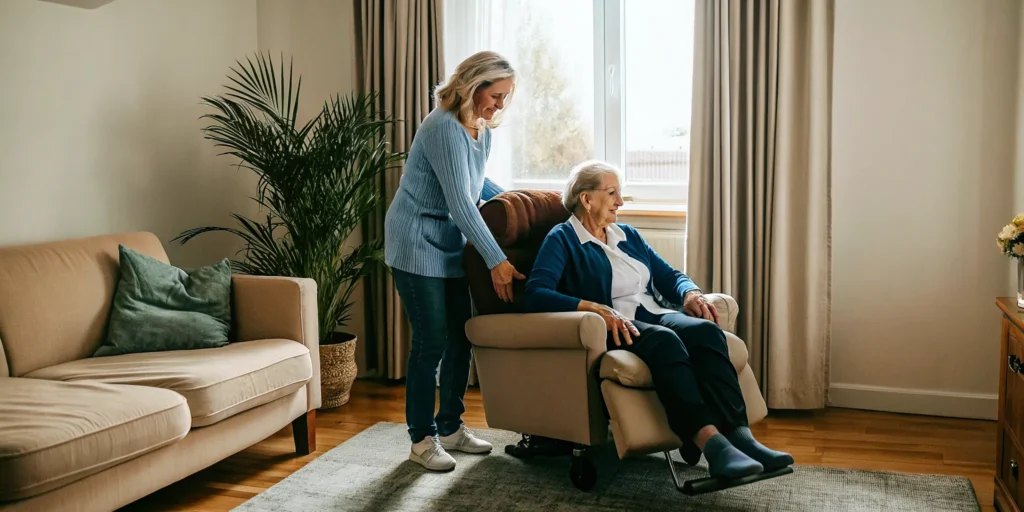
When the parent you’ve known your whole life acts out in anger, it can feel like a gut punch. The sudden aggression is confusing, frightening, and deeply painful. It’s critical to remember that this isn’t them; it’s the disease. Dementia rewires the brain, and aggression is often a desperate, unfiltered response to fear, pain, or confusion they can no longer express with words. Understanding this is the first step toward compassion. Learning how to handle dementia parent aggression isn’t about controlling them, but about decoding their needs and adapting their world to bring them peace. This guide offers a clear path forward, providing practical strategies to identify triggers, de-escalate difficult moments, and create a safer, calmer environment for everyone.
Key Takeaways
- Aggression is often a sign of an unmet need: Treat these moments as a form of communication. Look for patterns related to pain, hunger, or confusion to understand the root cause of the behavior instead of just reacting to it.
- Create a calm and predictable environment: You can significantly reduce triggers by simplifying their surroundings. Focus on establishing a consistent daily routine, minimizing clutter, and managing sensory input like loud noises to help them feel more secure.
- Prioritize safety and seek professional support: During a physical episode, focus on de-escalation and safety for everyone involved. If aggression becomes frequent or you feel unsafe, it’s a clear sign to consult their doctor and explore professional in-home care options to ensure their well-being and protect your own.
Why Does Dementia Cause Aggression?
When a parent with dementia becomes aggressive, it can be shocking and deeply upsetting. It’s important to remember that this behavior isn’t a reflection of who they are or how they feel about you. Aggression is a symptom of the disease itself, a distressing response to the changes happening in their brain. Understanding the root cause is the first step toward responding with compassion and finding effective solutions.
Often, aggression is a form of communication. As dementia progresses, the ability to express needs, process information, and understand the world around them diminishes. This can lead to intense frustration, fear, and confusion, which may manifest as verbal outbursts or physical actions. By looking beyond the behavior and trying to understand the trigger, you can better support your parent and create a more peaceful environment for everyone. The most common causes fall into three main categories: unmet needs, communication difficulties, and environmental confusion.
Unmet Physical and Emotional Needs
One of the most common reasons for aggression is physical discomfort. Your parent may not be able to tell you they are in pain, hungry, thirsty, tired, or need to use the restroom. An underlying infection, like a urinary tract infection (UTI), can also cause a sudden and dramatic shift in behavior. If aggressive actions appear unexpectedly, it’s always a good idea to schedule a full medical checkup to rule out any new health problems. Emotional needs, like loneliness or boredom, can also be a factor. Our caregivers are trained to anticipate these issues and provide compassionate personal care that helps your loved one feel comfortable and secure.
Frustration from Communication Barriers
Imagine knowing what you want to say but being unable to find the words. This is a daily reality for many people with dementia. The disease can damage the parts of the brain responsible for language, making it incredibly difficult to express thoughts and feelings. This inability to communicate can lead to immense frustration, which can quickly escalate into anger or aggression. They might not be able to say they’re in pain or that a specific noise is bothering them. As a caregiver, you can help by speaking in short, simple sentences, asking yes-or-no questions, and paying close attention to non-verbal cues. Our specialized Alzheimer’s & Dementia care focuses on these communication techniques to reduce frustration.
Confusion in Unfamiliar Environments
As dementia progresses, the world can become a confusing and frightening place. Familiar surroundings may suddenly seem strange, and your parent might not recognize people they know. This disorientation can be made worse by overstimulating environments. Things like loud noises, crowded rooms, or even a change in routine can feel overwhelming and threatening, triggering a “fight or flight” response that looks like aggression. Creating a calm, predictable, and familiar environment is key to helping your parent feel safe. This might involve simplifying their living space, reducing clutter, and sticking to a consistent daily schedule. A stable setting helps minimize confusion and the anxiety that often comes with it.
How to Identify Your Parent’s Triggers
Understanding what leads to aggressive behavior is the first step toward preventing it. These moments often feel random, but they are usually a reaction to something specific in your parent’s environment or internal state. Think of yourself as a detective looking for clues. By carefully observing your parent’s daily life, you can uncover the patterns behind their aggression. This proactive approach helps you anticipate their needs and adjust their surroundings to create a more peaceful and supportive atmosphere. Identifying these triggers allows you to shift from reacting to outbursts to preventing them.
Keep a Behavior Log
When your parent has an aggressive episode, take a few minutes afterward to write down what happened. Start a simple notebook or a phone note to log these events. For each incident, note the time, place, and who was present. Most importantly, describe what was happening right before the behavior started. Was it during a specific task like dressing? Was the TV on? This practice of observing and documenting patterns can help you connect situations to their responses. Over time, your log will reveal a clearer picture of their unique triggers.
Look for Patterns in Time and Place
Once you have a few weeks of notes, you can start looking for recurring themes. Do outbursts happen more frequently in the late afternoon, a phenomenon often called “sundowning”? Are they more common in noisy, crowded spaces? Perhaps certain tasks, like bathing, consistently cause distress. Recognizing these patterns is key to developing an effective care plan. By understanding that a specific time or place is a trigger, you can create proactive strategies, like scheduling calming activities during that time or simplifying the environment. This helps you address their needs before frustration can build into aggression.
Note Common Environmental and Personal Triggers
Aggression is often a sign that your parent’s needs are not being met by their current environment. Look for common triggers that might be causing discomfort or confusion. Environmental factors can include a cluttered room, loud noises, or even their own reflection in a mirror, which they may not recognize. Personal triggers are just as important and can include physical needs like hunger, thirst, or pain. They can also stem from feeling rushed or a loss of control. Our professional Alzheimer’s & Dementia care focuses on creating routines that minimize these common stressors.
What to Do During an Aggressive Episode
When your parent becomes aggressive, your immediate response can make all the difference. The goal is to de-escalate the situation safely and calmly. Instead of reacting with fear or frustration, it helps to approach the moment with a clear, supportive plan. Having a few go-to strategies can help you restore a sense of peace for both you and your loved one when things feel overwhelming.
Use Calming Communication
Your calm presence is a powerful anchor for your parent when they feel overwhelmed. Speak in a soft, gentle voice and avoid arguing or trying to reason with them during an episode. Keep your sentences short and simple, as complex information can increase agitation. Offering a simple choice, like asking, “Would you like to sit here or in the other chair?” can give them a sense of control and dignity. This empathetic approach is a core part of compassionate Alzheimer’s & Dementia care and helps reassure your parent that they are safe with you. Remember, your tone and body language communicate more than your words.
Ensure a Safe Environment
Your first priority is everyone’s safety. Before you try to de-escalate, quickly scan the room and gently remove any objects that could be used to cause harm, such as sharp utensils, heavy books, or glass items. If possible, guide your parent to a quieter space with soft lighting and comfortable seating to reduce overwhelming stimuli. It’s important to remember you aren’t alone in this experience; research shows that aggressive behaviors are common in dementia. Creating a safe, calm space is a proactive step that protects both of you and helps diffuse tension before it can escalate.
Redirect Their Attention with a Soothing Activity
Once the immediate environment is safe, try to shift your parent’s focus to something pleasant and calming. This technique, known as redirection, can be incredibly effective. You could play their favorite music, look through a familiar photo album, or offer a simple, repetitive task like folding laundry or sorting socks. The goal is to find an activity that feels soothing, not challenging, as frustration can be a major trigger. Engaging them in these gentle, meaningful activities can interrupt the aggressive behavior and redirect their energy toward something positive. It’s a simple yet powerful way to manage difficult moments and reconnect with your parent.
How to Adapt Their Environment to Reduce Aggression
Aggressive behavior in a parent with dementia is often a reaction to their surroundings. When they feel confused, overwhelmed, or unsafe, their frustration can manifest as aggression. The good news is that you can make their environment a source of comfort rather than stress. By thoughtfully adapting their living space, you can reduce triggers and create a more peaceful atmosphere for everyone.
Think of their home as a tool for communication. When words fail, the environment can provide reassurance and clarity. Simple changes can make a world of difference, helping your parent feel more secure and in control. This isn’t about creating a perfect space overnight; it’s about making small, consistent adjustments that support their needs. We’ll look at three key areas you can focus on: modifying the home to reduce stress, establishing a predictable daily routine, and managing sensory input like noise and lighting. These strategies help you proactively address potential triggers, creating a safer and more dignified experience for your parent. Our team is experienced in creating supportive environments through our Alzheimer’s & Dementia care services.
Modify the Home to Minimize Stress
A calm and organized home can significantly lower your parent’s anxiety. Start by decluttering walkways and common areas to make the space easier to move through and less visually overwhelming. Remove potential hazards like throw rugs or excess furniture that could cause falls or confusion. Good lighting is also key; well-lit rooms and hallways can reduce shadows that might appear frightening. Adding familiar and comforting items, such as family photos or a favorite blanket, can help ground your parent and make the space feel more like their own. The goal is to create an environment that feels safe, predictable, and easy to understand.
Establish a Predictable Daily Routine
For someone with dementia, a consistent routine provides an anchor in a confusing world. It gives their day structure and predictability, which can reduce agitation and anxiety. Try to keep meal times, waking times, and bedtimes consistent each day. Build in simple, enjoyable activities that your parent can look forward to, like listening to music, looking through a photo album, or taking a short walk. A large-print calendar or whiteboard can also help orient them to the day’s plan. Remember to stay flexible, as the routine is meant to be a supportive guide, not a rigid schedule. Our companionship services can help maintain this comforting structure.
Manage Sensory Input like Noise and Lighting
Overstimulation is a common trigger for aggression. Loud noises from the television, multiple people talking at once, or even background traffic can be jarring for a person with dementia. Try to create a calm auditory environment by playing soft, familiar music or simply enjoying quiet moments. Similarly, harsh or flickering lights can be disorienting. Opt for soft, even lighting throughout the home and use nightlights to prevent confusion after dark. By managing the sensory inputs in their environment, you can lower their stress levels and help them feel more comfortable and secure in their own home.
How to Handle Physical Aggression Safely
When your parent’s frustration turns physical, it can be frightening. Your first instinct might be to reason with them, but safety has to be the top priority for both of you. Handling these situations requires a calm mind and a clear plan. It’s not about winning an argument; it’s about de-escalating the situation so you can address the root cause later. Remember, this behavior is a symptom of the disease, not a reflection of your parent’s feelings for you. Having a strategy in place can help you feel more prepared during these challenging moments.
Protect Yourself First
Before you can help your parent, you must ensure your own safety. If they become physically aggressive, give them space. Don’t try to restrain them unless you are trained, as this can escalate the situation and lead to injury. If possible, calmly step out of the room to give them a moment. Your safety is not selfish; it’s a prerequisite for being an effective caregiver. Understanding how to manage these behaviors is a key part of providing compassionate Alzheimer’s & Dementia care, and sometimes that means stepping back to keep everyone safe.
Follow a Step-by-Step Response Plan
When an episode occurs, try to stay as calm as possible. Your parent can pick up on your anxiety, which might make things worse. Speak in a slow, soft, and reassuring voice. Look around and remove any objects that could cause harm, like sharp utensils or heavy items. Then, think about what happened right before the aggression started. Was there a loud noise? Did you ask them to do something confusing? Often, aggression is a reaction to a trigger, like pain or overstimulation. Our professional home care services include caregivers trained to identify these triggers and de-escalate situations safely.
Know When to Call for Help
You don’t have to manage this alone. If physical aggression becomes frequent, severe, or you feel unsafe, it’s time for professional help. Contact their doctor to rule out underlying medical issues, like an infection or medication side effects, that could be causing the behavior. In an emergency where anyone is in immediate danger, do not hesitate to call 911. When you call, tell the dispatcher that the person has dementia. This context is critical for first responders. Reaching out for support shows your commitment to your parent’s well-being.
When Should You Seek Professional Help?
As a caregiver, you’re already doing so much to create a supportive and loving environment. But if your parent’s aggression persists or escalates, it might be a sign that you need to bring in outside support. Knowing when to ask for help is a strength, not a weakness. It ensures your loved one gets the comprehensive care they need while protecting your own well-being. Professional guidance can offer new perspectives, rule out underlying medical issues, and provide you with a structured plan to manage challenging behaviors safely and effectively.
Sometimes, aggression is a symptom of a problem that requires medical attention or specialized expertise. A doctor can check for hidden health issues, while a dementia care specialist can help you develop strategies tailored to your parent’s specific needs. Reaching out to professionals gives you a team to lean on, so you don’t have to carry the weight of every decision by yourself. It’s about adding experts to your support system who can help you provide the best possible care for your parent.
Recognize Medical Warning Signs
A sudden change in your parent’s behavior can be alarming, but it’s often a signal that something else is going on with their health. Think of it as a warning sign. If new aggressive behaviors appear out of nowhere, it’s time for a full medical checkup. These shifts are not always a direct result of dementia’s progression. Instead, they can be caused by underlying health problems like a urinary tract infection (UTI), constipation, or chronic pain that your parent can no longer communicate clearly. Getting them checked by a doctor helps you identify and treat the root cause, which can often resolve the behavior.
Find the Right Healthcare Specialists
If you’ve tried different strategies at home and the aggressive behavior continues, it may be time to consult with specialists. Your parent’s primary care physician is a great starting point, but you may also want to connect with a geriatrician or a neurologist who specializes in dementia care. These experts can assess the situation and help create a personalized behavior plan. They will also conduct a thorough evaluation to ensure there are no other medical problems contributing to the aggression. Our team can also provide private nursing services to help manage complex medical needs at home.
Explore Treatment Options Beyond Medication
Managing aggression effectively requires a holistic approach that goes beyond just medication. While medication can be helpful in some cases, the best strategies often involve understanding what triggers the behavior and adapting the environment to meet your parent’s needs. Professionals in Alzheimer’s & Dementia care are trained to see the person behind the diagnosis. They can help you implement non-medical strategies that lower stress, increase comfort, and address the frustration or confusion that often leads to aggression. This approach focuses on improving your parent’s quality of life by creating a more supportive and calming daily experience.
How to Protect Your Own Well-Being as a Caregiver
Caring for a parent with dementia is demanding, and it’s easy to put your own needs on the back burner. But your well-being is just as important as your parent’s. If you don’t take care of yourself, you can’t provide the best care for them. Protecting your own physical and mental health isn’t selfish; it’s a necessary part of being a sustainable caregiver. Focus on prioritizing self-care, building a support system, and recognizing the signs of burnout before they take over.
Prioritize Your Self-Care
Taking time for yourself helps you recharge and maintain your own health, which is essential for the long haul. Self-care doesn’t have to be a week-long vacation. It can be small, intentional moments woven into your day. Try to schedule short breaks to do something you enjoy, whether it’s a 15-minute walk outside, listening to a favorite podcast, or simply sitting quietly with a cup of tea. The key is to make it a non-negotiable part of your routine. Remember, even brief moments of rest can make a significant difference in your ability to cope with stress and stay resilient.
Build a Strong Support Network
You don’t have to manage everything on your own. Leaning on a support network provides both emotional and practical relief. Connect with friends, family, or a local caregiver support group to share your experiences with people who truly understand. Professional help is also a powerful tool. A therapist can offer strategies for managing stress, while professional in-home care services can provide essential respite. Having a trained caregiver step in for a few hours gives you a much-needed break to rest and recharge. Building this team around you ensures you have help to turn to when you feel overwhelmed.
Watch for Signs of Caregiver Burnout
Caregiver burnout is a state of physical, emotional, and mental exhaustion. It’s important to recognize the warning signs, which can include persistent fatigue, feeling overwhelmed, increased irritability, or losing interest in activities you once enjoyed. Caring for a parent who exhibits aggression can be especially draining, making it even more critical to monitor your own mental health. If you notice these feelings starting to build, see them as a signal to step back and seek help. Acknowledging caregiver stress is the first step toward preventing burnout and protecting your well-being.
What Are Your Long-Term Care Options?
As your parent’s dementia progresses, their care needs will inevitably change. The support system that works today might not be sufficient in six months or a year, and that’s completely normal. Thinking about long-term care options before you’re in a crisis can make a world of difference. It allows you to make thoughtful, well-researched decisions instead of feeling rushed and overwhelmed. This planning is an act of love, aimed at finding the right level of support to ensure your parent is safe, comfortable, and living with dignity.
Exploring your options usually comes down to two main paths: bringing professional care into your parent’s home or moving them to a specialized facility. Each has its own set of benefits, and the right choice depends entirely on your parent’s specific needs, safety considerations, and your family’s capacity. Understanding what each path entails, along with how to manage the financial side of things, will give you a clear and actionable roadmap for the journey ahead.
Professional In-Home Dementia Care
For many families, the ideal scenario is keeping their parent in the familiar comfort of their own home. Professional in-home care makes this possible by bringing trained support directly to them. Agencies can provide a wide range of Alzheimer’s and dementia care services, from companionship and meal prep to personal hygiene and help with daily activities. The biggest advantage is having caregivers who understand dementia-related behaviors, including aggression, and know how to respond with patience. This consistent, one-on-one attention helps maintain a stable routine, which can significantly reduce confusion and anxiety, two common triggers for aggression. It’s a wonderful way to support their independence while ensuring they are safe.
When to Consider a Memory Care Facility
There may come a point when your parent’s needs become too complex to manage safely at home, even with professional help. If you find that safety is a constant worry, aggression is becoming difficult to handle, or they require round-the-clock supervision, it might be time to consider a memory care facility. These are specialized communities designed from the ground up for individuals with cognitive decline. They provide a secure, structured environment with staff trained specifically in dementia care. Features like safe wandering paths, engaging activities tailored to cognitive abilities, and 24/7 support can provide a level of care that’s simply not possible at home.
How to Use Insurance and Benefits for Care
Figuring out how to pay for long-term care can feel like a huge hurdle, but there are resources available to help. A great first step is to review your parent’s long-term care insurance policy, if they have one. You can also explore whether they qualify for Veteran’s benefits. Some home care companies offer concierge services to help you understand and utilize long-term care insurance and Veteran’s benefits, which can simplify the process. It’s also worth checking their Medicare Advantage plan, as some now offer benefits for in-home support. Don’t be afraid to ask questions. When you talk to potential care providers, ask them directly about payment options and what financial resources they can point you toward.
Related Articles
Frequently Asked Questions
Is the aggression permanent once it starts? Not necessarily. Aggressive behavior is often a reaction to a specific trigger, like pain, fear, or confusion, rather than a constant state. Think of it as a symptom that can be managed. By identifying and addressing the root causes, such as an uncomfortable environment or an unmet need, you can often reduce the frequency and intensity of these episodes.
My parent gets much more agitated in the evenings. What can I do about this? This late-day confusion, often called “sundowning,” is very common. To help manage it, try creating a calm and predictable evening routine. As daylight fades, turn on soft, warm lights throughout the house to minimize shadows, which can be frightening. You can also play soothing music and avoid stimulating activities like watching the news. A quiet, structured transition to bedtime can make a significant difference.
How can I stop taking my parent’s aggressive words personally? This is incredibly difficult, but it’s so important for your own well-being. It helps to constantly remind yourself that the aggression is the disease talking, not the parent you know and love. Their brain is struggling to process information, and aggression is often an expression of that frustration or fear. Creating that mental separation is a crucial act of self-preservation for you as a caregiver.
What’s the main difference between professional in-home care and a memory care facility? The primary difference is the environment and level of supervision. Professional in-home care allows your parent to remain in their familiar surroundings with personalized, one-on-one support from a trained caregiver. A memory care facility offers a specialized and secure community designed for people with dementia, providing 24/7 supervision and structured social activities. The best choice depends on your parent’s safety needs and how complex their care has become.
I’m feeling completely overwhelmed by this. What is the very first step I should take? When you feel overwhelmed, the best first step is to schedule an appointment with your parent’s doctor. A sudden increase in aggression can be caused by a treatable medical issue, like a urinary tract infection, pain, or a medication side effect. Ruling out physical causes gives you a clear starting point and brings a medical professional onto your support team right away.