Blog > Blog » Home Care Aurora: A Complete Family Guide
Home Care Aurora: A Complete Family Guide
The moment you notice a parent forgetting to eat or struggling to walk safely is when everything changes. You realize they need help, but you are not sure where to turn for support.
Reliable home care aurora services offer trained help that allows seniors to keep their freedom in the comfort of their own homes. These services include help with daily tasks like bathing and dressing along with friendly visits to stop seniors from feeling lonely or isolated. About 62% of people in care centers need help with three or more daily tasks according to the CDC. Our caregivers also help with light cleaning, meal prep, and reminders for pills while our registered nurse check-ins ensure every care plan is safe. This choice lets seniors stay home while giving families the peace of mind they need to focus on being a family again.
Picking the right care is a big choice for any family. You likely have questions about how these services work and what they will cost. Understanding what home care Aurora families can expect can help you find the right path.
What home care Aurora families can expect
For many families, home care provides the help a loved one needs to stay safe. This type of care focuses on tasks that become hard to do alone. It serves seniors who want to keep their freedom as they age. It also helps adults with disabilities or those healing after a stay in the hospital. Choosing a home care aurora agency ensures families get one-on-one help while staying in a place they love.
Caregivers work with families to create a plan that fits their daily life. This may involve a few hours of help each week or daily visits. The goal is to provide the right level of support so that no one feels too stressed. It allows seniors to stay in the homes they love while getting the help they need.
What families get from home care
Families can expect help with daily tasks like bathing, meal prep, and light cleaning. Home care staff offer friendship to help seniors who feel alone and help with errands. About 62 percent of seniors in care settings need help with three or more daily tasks. This support allows people to live safely in their own houses for a long time. It provides peace of mind for adult children who manage care for their parents.
Common home care services include:
Help with bathing, dressing, and grooming.
Light house cleaning and laundry.
Planning and cooking healthy meals.
Reminders to take medicine on time.
Driving to doctor visits and social events.
Safe walking and transfer help.
Home care versus home health care
It is helpful to know the difference between home care and home health care before you start. Home care is often called custodial care. It covers help with daily tasks like dressing or walking. Most people do not know that Medicare does not cover long-term care if it is the only help you need. Home health care involves medical tasks like wound care or therapy.
Home health care usually requires a doctor’s order and is for a short time. Home care can last for many years and does not need a medical reason. While home health focuses on healing an injury, home care focuses on daily life and the well-being of the person.
Staying at home with expert help
Staying at home is a top goal for most seniors. Nearly 70 percent of people who turn 65 today will need some type of help in the future. On average, women may need care for 3.7 years, while men may need it for 2.2 years. Non-medical home care fills the gap between living alone and a nursing home.
In Aurora, some agencies even provide nurse oversight to ensure care plans stay on track as needs change. This means a trained nurse checks in on the care and makes sure it meets high standards. Families can feel good knowing their loved ones have both a kind helper and expert eyes on their health. This full care plan makes aging in place a safer choice for many locals.
Which home care services are available?
Families often start their search for home care in Aurora when daily tasks become too hard to do alone. Non-medical home care helps seniors stay in their own homes for as long as possible. These services focus on safety, health, and comfort. Care plans are flexible and can change as a person’s needs grow over time.
Core daily support services
Most home care plans start with help for basic daily tasks. Caregivers assist with personal care, which includes bathing, dressing, and grooming. These tasks are vital for health and dignity. In fact, the CDC reports that about 75% of people in care settings need help with bathing. Caregivers also help with meal prep and light cleaning to keep the home safe.
Support also extends to activities outside the house. Caregivers provide rides to doctor visits and help with grocery shopping. This help keeps seniors active in their community. It also removes the stress of driving or finding rides. You can learn more about the tips for navigating home care options through our full guide for local families.
Social health is just as important as physical health. Companion care focuses on spending time with seniors to stop loneliness. Caregivers may play games, go for walks, or just talk over coffee. This service provides peace of mind for adult children who cannot visit every day. It ensures that their loved ones have a friendly face to look forward to seeing.
Safety and specialized care
Some seniors need more than just help with chores. Memory care is a key service for those with Alzheimer’s or dementia. Caregivers keep these seniors safe and help them with brain games. They also watch for any health changes. While Medicare does not cover long-term custodial care, many families use insurance to pay for these vital safety services.
Post-hospital support is another major service. After a stay in the hospital, seniors often need extra help to heal at home. Caregivers help with moving around and remind seniors to take their pills. This type of care helps prevent a return trip to the clinic. It is important to know the difference between home care and home health care when choosing the right plan for recovery.
Combining services into one plan
No two people have the same needs. A good care plan blends many types of help. For example, a senior might need a ride to the store twice a week but help with bathing every day. Caregivers also offer respite care to give family members a break. This stops family burnout and keeps the home happy. Our team in Aurora builds custom plans for every family we serve.
Flexibility is the most important part of home care. As a senior’s health changes, their care plan should change too. Some families start with just a few hours of help each week. Over time, they may add more days or over-night care. This steady growth in support helps seniors age in place with the right level of care at every stage.
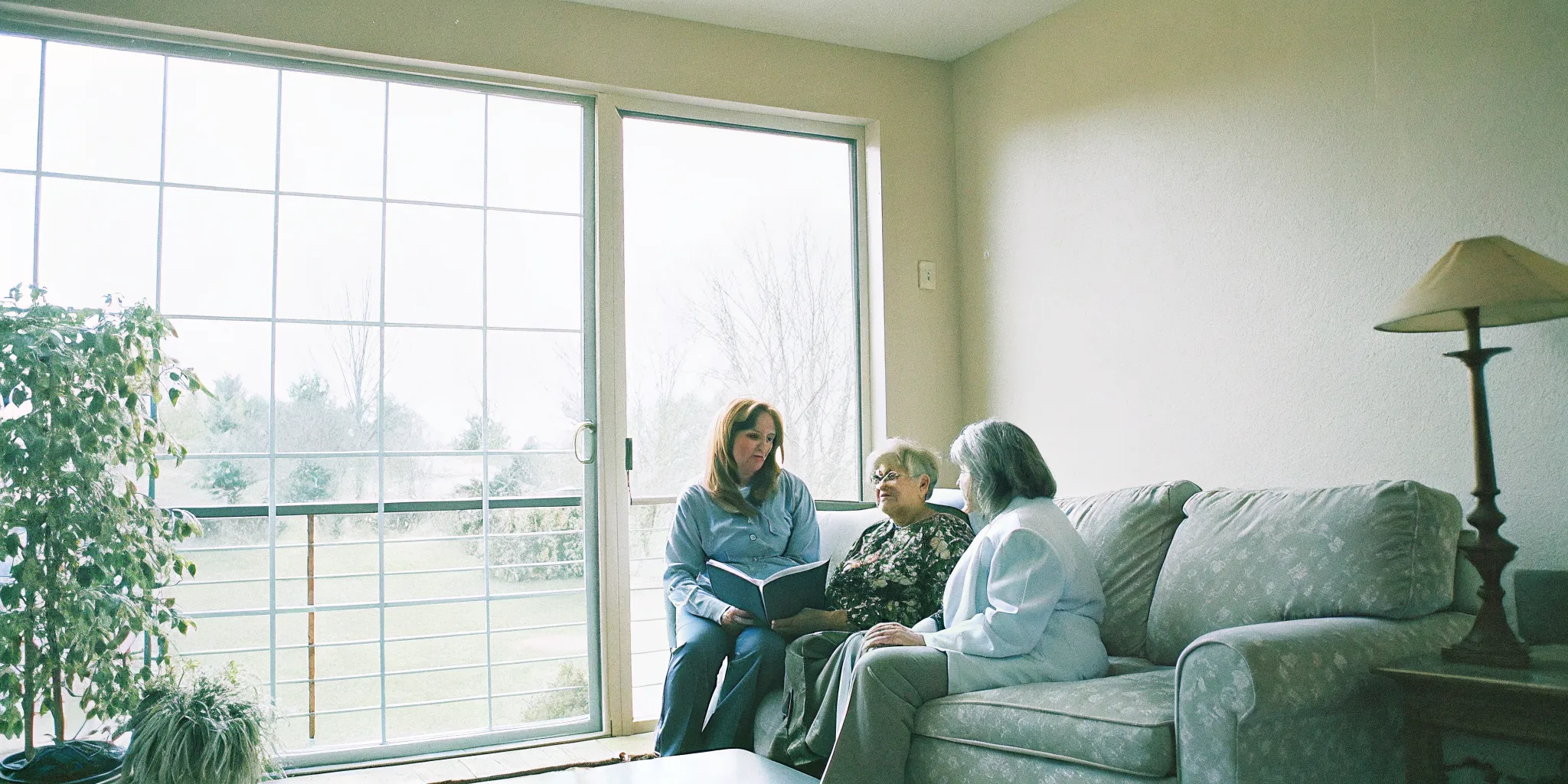
A family consultation helps match home care support to daily needs and routines.
How does a personalized care plan work?
Each senior has unique needs. A good care plan makes sure they get the right help at the right time. When you look for home care aurora services, you want a plan that fits your family’s life. This path starts with a simple talk. It leads to a full guide for daily care that grows as needs change.
The first meeting and check
The first step is a free meeting. This talk helps us learn about your loved one’s health, home safety, and daily habits. We look at what they can do on their own and where they need a hand. This helps us build a plan that keeps them safe and happy at home. This talk is a key part of hiring an in-home care agency and learning about costs or insurance.
We also talk about goals. Some people want help with light house chores. Others need a friend to talk to or help with a long-term illness. For example, home care can help seniors with asthma or COPD manage their daily tasks better. By setting clear goals, we make sure the care truly helps. You can learn more about this by safe, flexible in-home support through our online guides.
Matching you with the right person
Matching a senior with the right helper is key. It is not just about skills. It is about how well they get along. We look at likes, interests, and times to find the best fit. This bond helps seniors feel safe and cared for. A good match can turn a helper into a dear friend who brings joy to each day.
We also check the schedule. Some people need help for a few hours a day. Others may need someone there all the time. Our plans can change as life does. This makes it easy to add more help if a health issue comes up. It also helps when a family member needs a break from their own care tasks.
Nurse watch and updates
Care does not stop once it starts. We keep a close eye on how things are going. One big part of our work is nurse watch. Even though we provide non-medical care, a nurse checks on the care plan often. This ensures the help stays high-quality. It also gives families peace of mind knowing a pro is watching over their loved one.
Clear talk is also vital. We share updates with the family so everyone knows what is happening. This keeps the care plan on track. It also helps us spot any changes in health early. While Medicare does not cover long-term personal care, our team works with you to manage your pay or insurance options smoothly.
Free Meeting: We meet with your family to talk about your needs and goals. This helps us see how we can best support your loved one at home.
Home Check: A pro looks at the home and the senior’s health. We find out where they need help with daily tasks like bathing or meal prep.
Care Plan Design: We write a full plan that lists every task and goal. This plan guides our team and keeps care the same every day.
Finding a Match: We find a helper who fits the senior’s life and needs. This makes sure they feel happy and safe with their new friend.
Regular Checks: Our team checks the home often. We make sure the plan is working well and make changes if the senior’s health shifts.
Nurse Watch: A nurse looks over the care. They ensure the help meets high standards and helps the senior age in place with dignity.
When is it time to consider in-home senior care?
Many families wait for a crisis to start looking for support. But finding home care aurora early can help your loved one stay safe. It can also help them stay in their own house for a longer time. Small changes in their daily life may show they need a bit of help. You should watch for signs that their current way of living is getting hard or risky. Finding these signs early helps you make a plan without feeling rushed or stressed.
Physical and safety changes
One of the first signs is a change in personal care. If a senior stops bathing or grooming as often, they may be having a hard time. Physical tasks can become painful or scary due to the risk of a fall. You may also see bruises or small injuries that they cannot explain. These signs show that navigating in-home care services could help keep them safe.
Mobility is another key factor to track. If your loved one is unsure when they move around the house, they might need help. Walking up stairs or getting out of bed can be hard for those with chronic conditions. High-quality support from a care team can reduce the risk of trips. Expert caregivers can help with daily tasks like dressing and toileting to keep your parent at ease.
Managing the home and meals
Check the kitchen and the state of the house. Is there spoiled food in the fridge? Are they eating mostly pre-made meals or snacks? Good food is needed to keep seniors healthy and strong. If they are losing weight without trying, it may be time for help. A caregiver can help with meal prep to ensure they get the right nutrients every day. They can also help with grocery shopping to keep the pantry full of fresh items.
You should also look at the home itself. A messy house or a pile of mail can show that they are feeling overwhelmed. It is hard to keep up with light housekeeping as we get older. If the laundry is piling up or the floors are dirty, a helper can take those chores off their plate. This allows the senior to focus on their health and enjoy their day. A clean home is also safer and helps prevent bugs or mold.
Social health and caregiver needs
Isolation is a big risk for seniors living alone. If they stop seeing friends or going to events, they may feel lonely. This can lead to low moods or faster memory loss. Companion care focuses on social time and human connection. It gives them someone to talk to and helps them stay active in the community. Having a friend to visit each day can make a big change in their outlook on life.
Caregiver burnout is also a sign that it is time for expert help. If you feel tired or stressed from helping a parent, you are not alone. Giving care for many hours a week is hard to balance with work and family. Using respite care can give you a break and keep the whole family healthy. It is better to start care before everyone feels worn out or a major health event happens.
Medicare often covers part-time home health if a person is homebound and has a doctor’s order. But for daily help with tasks like bathing or dressing, families often pay out of pocket or use insurance. You can find more about coverage in this Medicare home health guide. Starting with a free consultation can help you see which care plan fits your needs and your budget.
The cost of home care aurora varies for each family. Since each person has unique needs, there is no single price for care. Most firms look at your goals to set a rate. This makes sure you only pay for the help you really need to stay safe at home. Using a pro service helps your loved one stay in the house they love.
Factors that shape your care plan
Many things can change the total cost of your support. The number of hours you need is the biggest factor. Some people only need a few hours of help each week with chores or meals. Others might need a caregiver to be with them all day and night. The time of day can also play a part in the price. Some firms charge more for care on weekends or during the night.
The type of help you need also matters. Basic care often includes things like light cleaning, rides to the store, and making meals. If you need help with more personal tasks like bathing or dressing, the level of aid goes up. A navigating in-home care services guide can help you see which tasks fit your life. Most agencies use a first meeting to look at your home and health. This talk helps them build a plan that fits your budget and schedule. They look at your safety and social needs to find the best fit.
Understanding insurance and payment options
It is important to know which programs pay for home care. Many people think Medicare will pay for all their needs at home. However, Medicare mostly does not cover long-term personal care. This includes help with bathing, dressing, or using the bathroom if that is the only help you need. You can read the real Medicare and home health care guide to learn more. These rules apply to most senior care plans in the Aurora area.
Medicare usually only pays for medical care from a doctor’s order. This might include skilled nursing or physical therapy for a short time after a hospital stay. For most non-medical home care, families pay out of pocket or use private insurance. Knowing the difference between home care and home health care is a key first step. It helps you plan for costs and find the right type of help for your loved one. Many families find that a mix of different payment types works best for them.
The role of long term care insurance
Long-term care insurance is a common way to pay for home help. These policies can cover home health aides, personal care, and even adult daycare. Every policy is different, so you should read yours carefully to see what is covered. Some plans have limits on how much they pay or for how long. You should check if your plan has a waiting period before the coverage kicks in.
Touching Hearts at Home provides the detailed time tracking and notes that insurance firms need. This paperwork is vital for getting your money back from a claim. A good agency will work with you to make sure all care is tracked correctly. This helps reduce your stress when it comes time to pay for care. By planning ahead, you can find a way to get the help you need without breaking the bank. Having RN oversight on these plans can also help ensure the care meets all health standards.
How do you choose a home care agency in Aurora?
Finding the right home care aurora provider can feel like a big task. You want to know that your loved one is safe and well cared for. Many families in Aurora, Parker, and Castle Rock start by asking friends for names. While word of mouth is helpful, you should also look for clear signs of quality. A good agency does more than just send a worker to your home. They manage the care, screen the staff, and stay in touch with you.
Check for licenses and safety
One of the first steps in how to choose a home care agency in Aurora is to check their legal papers. A safe group will have the right state licenses and full insurance. This protects your family if a mishap happens on the job. You should also ask how they find and vet their workers.
Safe agencies run deep background checks and verify past jobs. They also give their staff more training. This ensures that every person who enters your home has the skills to help. When hiring an in-home care agency, ask if they bond their staff. This adds another layer of trust for your peace of mind.
Look for RN oversight and custom plans
Good care should never be the same for everyone. Each senior has unique needs, from help with meals to social care. Most agencies use a first meeting to see what help is needed. During this time, they build a custom care plan. This plan should list the exact tasks the worker will do each day.
Some groups go a step further by having a Registered Nurse (RN) lead the team. Even for non-medical care, RN oversight is a major plus. It means a health expert checks on the care plan and the worker. This helps catch small health changes before they become big issues. It also gives families a direct line to an expert for questions.
Local response and backup care
When you need help, you want someone local. An agency with a local office can respond fast to changes in your schedule. They also know the area and can help you find other tools. Ask the agency how they handle staff absences. A good group always has a backup plan if your main worker is sick.
You should also ask about their billing and time logs. Accurate logs are key, mostly if you use long-term care insurance to pay for help. Most basic plans do not cover this cost, so clear records make it easier to get paid back.
Feature
Managed Agency
Private Hire
Background Checks
Done by the agency
You must run them
Backup Staff
Ready if needed
No backup plan
RN Oversight
Often included
Rarely found
Insurance
Agency covers staff
You take the risk
Custom Plans
Built by experts
You set the tasks
Frequently Asked Questions
Does Medicare pay for in-home care for disabled?
As stated by Medicare, the program does not pay for long-term care if that is the only help you need. It often only pays for skilled care, like nursing or therapy, for patients who cannot leave home. It does not pay for help with basic tasks like bathing or dressing. Most families use their own funds or insurance to pay for these home services. This help lets seniors stay safe and happy in their own homes for a longer time.
What is the average cost of in-home care in Aurora, CO?
The average cost of home care in Aurora is about thirty-two dollars per hour. This rate can change based on the level of help you need and the hours you book. Some groups offer different rates for long shifts. You should ask for a free initial visit to get a clear price for your plan. This helps you build a budget that works for your family. It is the best way to see the true cost of care.
What is the difference between home care and a caregiver?
Home care is a term for help that lets people stay in their homes. This includes help with meals, light cleaning, and visits. A caregiver is the person who comes to your home to do this work. A top agency often adds RN oversight to make sure the care is safe. This gives families peace of mind. It also ensures the person giving the care has the right skills. This makes home life much easier and safer.
How do I find reputable home care services in Aurora?
Start by looking for local groups with good reviews and a focus on kind care. It is smart to pick a group that offers RN oversight for their plans. This ensures a high level of care for your loved one. Always ask for a free visit to talk about your needs and meet the team. A good group will provide clear logs and help you with your insurance. This makes the whole path easier for you and your family.
Schedule your free home care consultation in Aurora
Waiting to get help for your loved one can lead to more stress and safety risks at home. The longer you wait to set up care, the harder it becomes to manage daily needs. Starting now allows you to create a solid plan that grows with their needs. This gives you peace of mind right away. You do not have to handle these big life changes on your own. Our team is here to help you find care. Taking action today helps you prevent future problems. It ensures that your loved one stays at ease in the place they know best. We work with you to find a plan that fits your life and your budget. This helps your whole family live well without extra worry.
Ready to talk to a care expert? Call (303) 718-6438 to schedule a free initial consultation.