Long-term loneliness in older adults is a medical risk that can lead to serious physical decline. While many seniors prefer to stay home, a lack of connection creates a heavy mental burden. Staying socially active is vital for health.
How in-home care improves quality of life for seniors shows in the value of social activities and friendship. According to the National Institute on Aging, long-term isolation is linked to heart disease, depression, and memory loss. In-home care fixes these risks by matching seniors with caregivers who share their hobbies. This custom approach turns daily tasks into chances for connection, such as gardening or arts and crafts. By providing mental support and physical activity, trained caregivers help seniors keep their dignity and independence. This allows them to stay in the comfort of their own homes. These services ensure that every senior feels valued and stays a part of their local area.
Schedule a free in-home consultation and give your loved one the companionship they deserve.
Families often look for ways to keep their loved ones active and safe at home. The journey toward better health for your loved one begins with understanding how in-home care addresses isolation before picking a care plan. Read on to learn how the right companion can transform daily life.
How In-home Care Improves Quality Of Life For Seniors: How Does In-Home Care Combat the Hidden Health Impact of Social Isolation?
Staying social is not just a way for seniors to pass the time. It is a vital part of staying healthy as you age. Research from the National Institute on Aging shows that loneliness and social isolation carry heavy health risks. These risks include a higher chance of heart disease, depression, and brain health issues. When a person feels cut off from others, their body and mind can suffer in ways that are not always easy to see.
Physical health risks for isolated seniors
Social isolation can lead to a faster drop in physical health. Many seniors who lack social ties find it harder to stay active or eat well. Some may even turn to bad habits like smoking or poor sleep to cope with the silence. Studies found that lonely adults tend to be less healthy and often face longer hospital stays. They are also more likely to go back to the hospital after they leave. These factors can lead to an earlier death for those without a strong social bond.
For those living in Aurora, staying connected can be a challenge. Physical limits or the loss of a spouse can leave a senior alone for most of the day. This lack of contact often leads to more trips to the emergency room. It also makes a move to a nursing home much more likely. Understanding your in-home care options compared to facility care can help you find ways to keep your loved one safe at home while they get the social support they need.
How companionship improves quality of life
This is where learning how in-home care improves quality of life for seniors becomes so important. A professional companion does more than just watch over a senior. They provide the human bond that keeps the mind sharp and the heart light. Having someone to talk to, share a meal with, or walk through a park in Parker can change a person’s entire outlook on life. This bond helps reduce the stress that often leads to long term illness.
Strong social ties help seniors stay active and valued in their own community. When a caregiver is matched based on shared interests, the senior feels heard and seen. This kind of care ensures that their social needs are met just as much as their physical ones. By fighting the roots of loneliness, in-home care offers a path to a longer and much happier life at home.
How Does Caregiver Matching Create Genuine Connection?
True companionship is more than just having someone in the house. It is about building a real bond. At Touching Hearts at Home, we believe that distinguishing home care types starts with the person. We focus on matching caregivers with seniors based on their hobbies, life stories, and traits.
Personalized Pairing for Better Living
Every person has unique needs. When we match a caregiver to a senior, we look at shared interests. This type of personalized care helps meet a senior’s social and emotional needs. It is a big part of how in-home care improves quality of life for seniors. It makes the day feel fun and much less lonely.
Finding the right fit is worth the work. A caregiver who shares a senior’s view can become a true friend. This bond helps seniors feel safe and happy in their own homes. We see this lead to better moods and more smiles. Families also feel better knowing their loved one is with a companion they truly like.
Our team talks with each family before we start. We want to know about their favorite books, movies, and food. This helps us find a person who will be a great match for their lifestyle. It is more than just a schedule.
Sharing Hobbies and Joy Every Day
Sharing a favorite hobby can turn a routine visit into a great day. For example, we might pair a senior who loves plants with a caregiver who enjoys gardening. Together, they can spend time outdoors in the fresh air. This shared joy makes the care feel more real and less like a job.
Music is another way we create strong bonds. A caregiver who loves music can take a client to local concerts in the Aurora area. They might also play favorite songs at home and talk about old bands. These shared moments help seniors stay in touch with the world. It gives them something new to look forward to each week.
We also look for shared traits like a sense of humor. Some seniors love to tell jokes and need someone who can laugh with them. Others prefer a quiet home where they can read. By matching these traits, both people feel at ease. This creates a space where a lasting friendship can grow.
A Foundation of Mental and Emotional Wellness
Meaningful social links are vital for the mind. Being with people who care about us helps us stay sharp and feel valued. According to the National Institute on Aging, engaging in social activities is a key part of healthy aging. It keeps the brain busy and the heart full.
By focusing on connection, we help seniors live full lives. We serve families in Aurora with this person-first approach. When seniors have a companion who truly knows them, they feel seen and heard. This is the heart of our mission for every client.
When a senior feels a bond with their caregiver, they stay active. This boost in action is great for their body and their mind. It helps them stay strong and keep their independence for a longer time. Helping seniors stay in the homes they love is why we do this work.
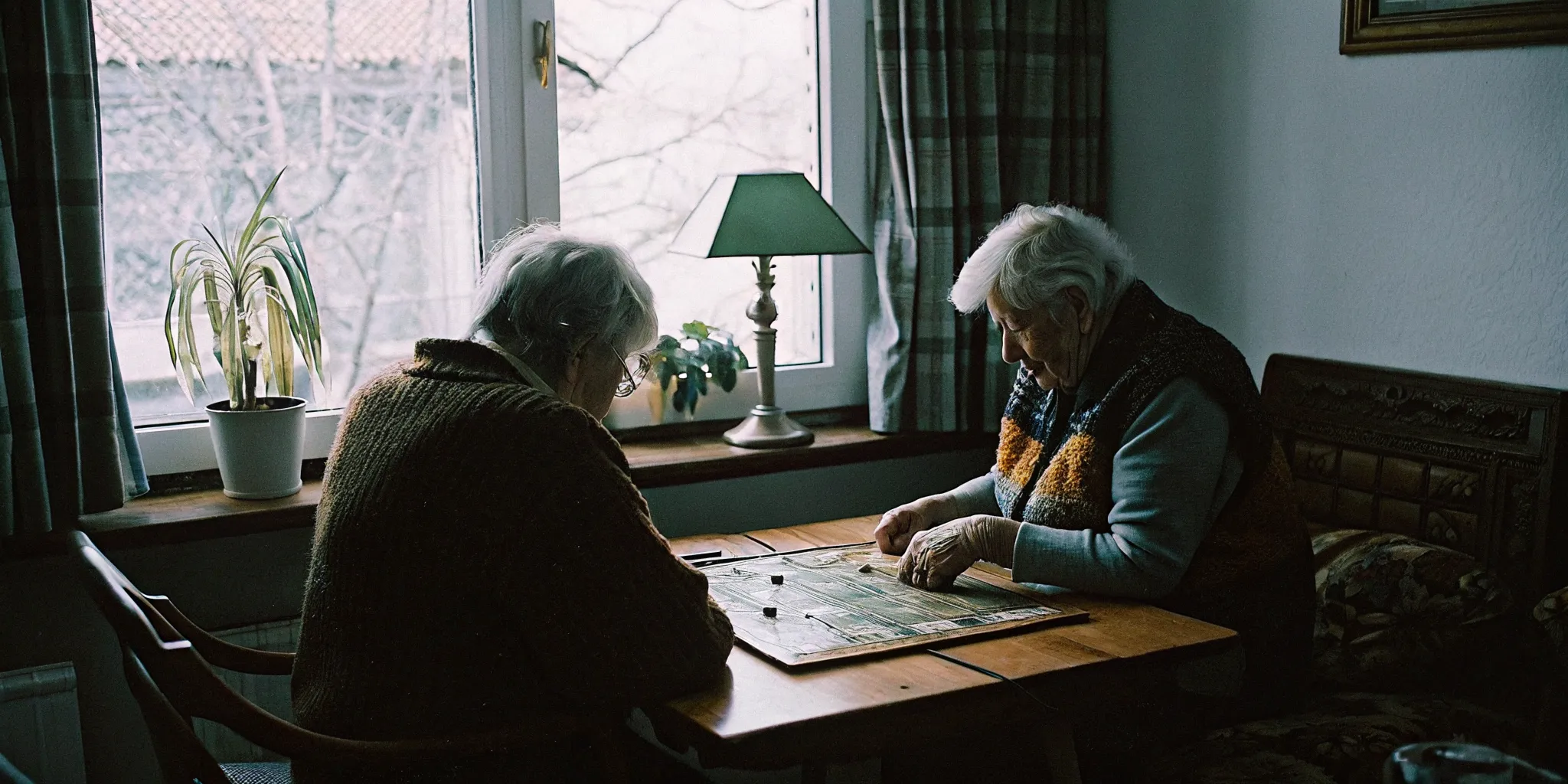
Creative Social Activities to Share with a Companion
Social bonds are at the heart of a happy life. When seniors have a friendly face to spend time with, it changes their whole outlook. Learning how in-home care improves quality of life for seniors starts with these daily links. A trained companion does more than just help with tasks. They bring joy through shared hobbies that keep the mind and spirit active.
Fun Games and Puzzles
Playing games is a fun way to keep the brain sharp. Many seniors enjoy classic board games or card games like bridge and rummy. These hobbies provide a great chance to chat and laugh. When a senior and caregiver play together, it builds a strong bond. It also gives the senior a sense of win and success.
Puzzles and brain games are also helpful tools for mental health. Working on a large jigsaw puzzle can be a calm way to spend a day. For those with memory needs, these tasks provide vital focus. Helpers can help find the right pieces or lead a simple word game. This support helps seniors stay active without feeling overwhelmed.
Creative Arts and Shared Hobbies
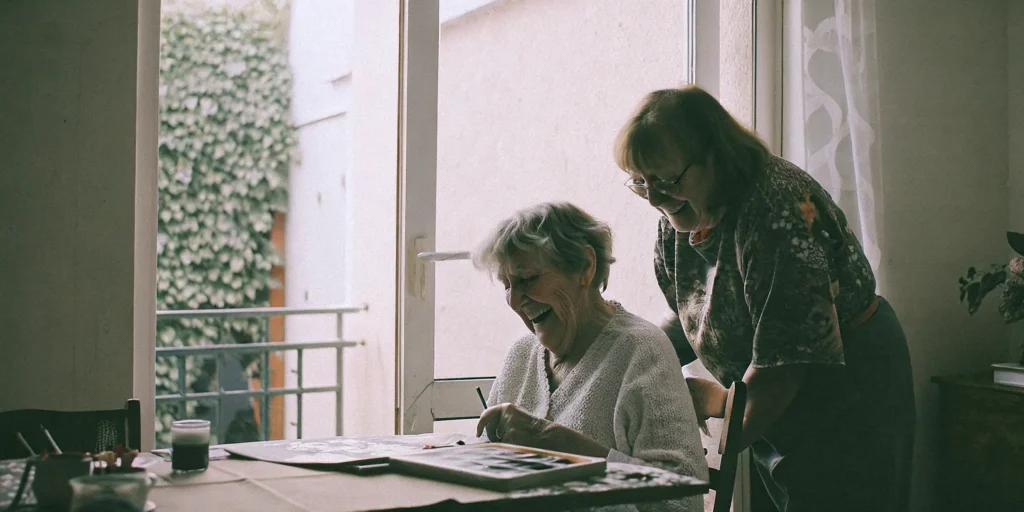
Art and music can lift the mood in an instant. Seniors often find peace in painting or simple craft projects. These tasks allow them to be creative and can even help with hand strength. A companion can set up the tools and join in the fun. This shared time makes the day feel full and bright.
Music is another powerful tool for social bonds. Listening to old favorites or having a singalong can spark happy feelings. Some seniors may even want to play an instrument again. Also, cooking and baking together can be a rewarding task. Measuring food items and sharing a meal helps seniors feel valued and able. These small wins go a long way in daily life.
According to the National Institute on Aging, social activities are a key factor in healthy aging. Staying busy with friends and loved ones keeps the heart and mind strong. This is why our team works hard to match helpers with seniors who share similar interests.
Reminiscing and Mental Connection
Sharing stories is a vital part of the human experience. Looking through photo albums is a great way to start a deep talk. Seniors can tell stories about their past while the helper listens and learns. This helps the senior feel heard and helps their memory stay active. It turns a quiet day into a good trip down memory lane.
Nature walks and book talks also add to a senior’s well-being. A slow walk in a park in Aurora can be fresh. Being outside helps the body feel better and clears the mind. For those who love to read, talking about a book with a friend is a joy. It keeps the mind eager and provides new things to think about each day.
Families often find it helpful to distinguish between home care and home health care when looking for social support. Non-medical care focuses on these vital social bonds. Every task is chosen to fit what the senior likes and can do. This personal touch is what makes in-home care so helpful for local families.
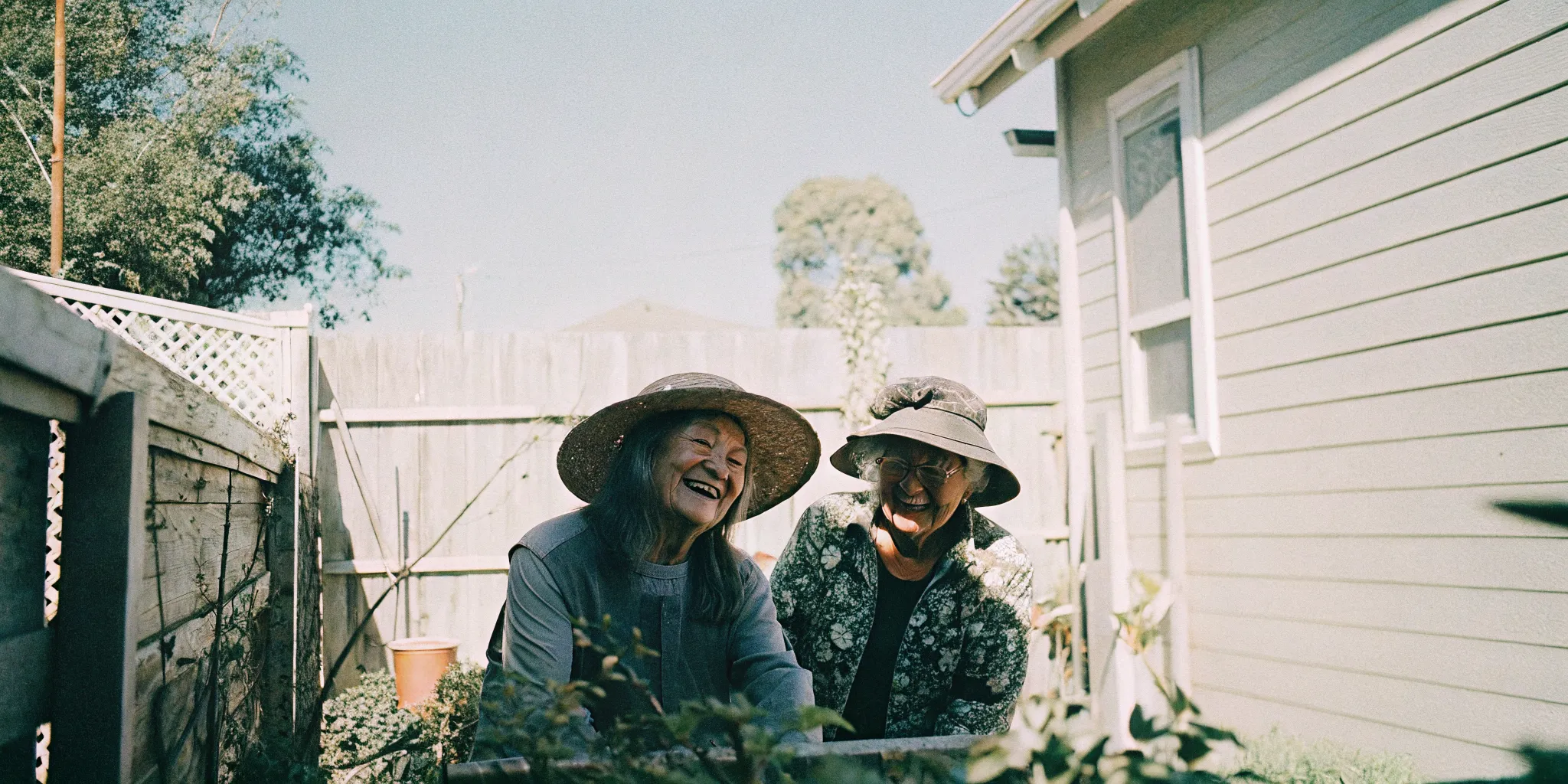
Rebuilding Community Through In-Home Companionship
Staying social is hard for many seniors who live alone. When it becomes tough to drive or walk far, many people stop going out. This can lead to a loss of touch with the world around them. One way how in-home care improves quality of life for seniors is by helping them stay part of their local community. A companion can give the support needed to go to events or visit friends outside the home.
Going Back to Local Events
Caregivers help seniors get back to the places they love in Aurora and Parker. Many seniors want to visit local parks or see a show but feel they cannot go alone. A companion can drive them and help them walk. This help lets seniors enjoy social activities that help with healthy aging in their own towns.
Common community trips include:
- Short walks through local parks and gardens.
- Visits to local museums and art shows.
- Afternoons at the library or a book club.
- Attending a play or musical show.
Support for Faith and Family
Faith and family are the heart of a senior’s life. It is hard when a person can no longer reach church or family meals. In-home care helps by providing a ride and a set of hands for these trips. A caregiver can help a senior get ready and stay safe. This support helps seniors stay active in their faith groups and attend birthdays.
Having a companion for these trips gives the senior and their family peace of mind. For those who need more help, there are benefits of 24-hour companionship and security that ensure a senior never has to miss a big event. This care keeps the social ties of a senior’s life strong and whole.
The Impact on Well-Being
Social contact is not just about fun. It is a key part of staying well as we age. When a caregiver gives social support, it can lower the chance of feeling alone. Research shows that caregivers give social help that reduces loneliness and makes life better. This bond helps seniors feel valued and seen by others.
Seniors who have this care often see a big boost in their mood. Experts find that those with in-home help often have better feelings and social bonds than those who are left alone. By helping seniors stay part of their community, in-home care builds a bridge back to a full life.
How Does Regular Companionship Benefit Emotional and Cognitive Health?
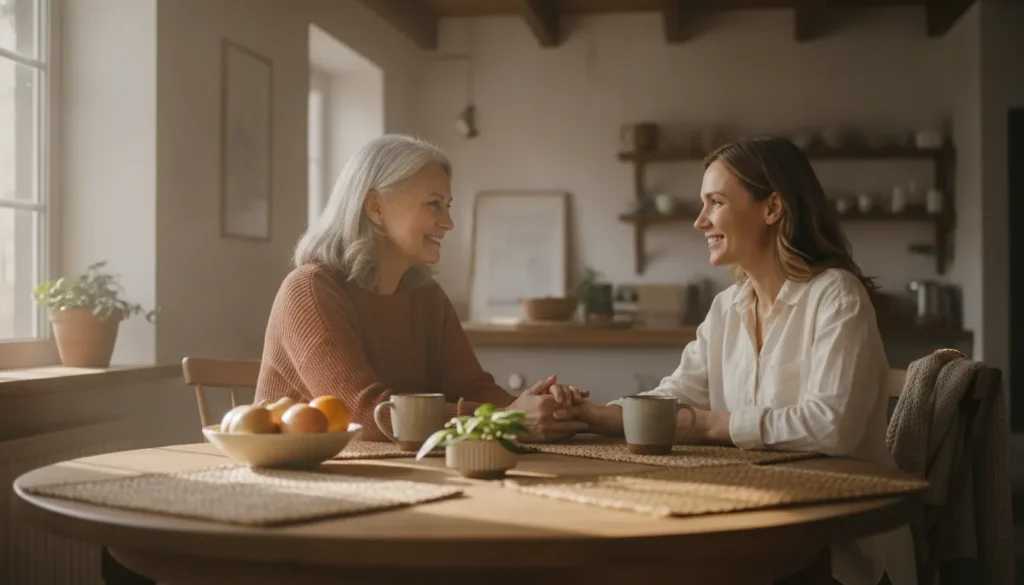
Regular company does more than just fill the day. It builds a bridge to a better life. Many families ask how in-home care improves quality of life for seniors who live alone. The answer lies in the deep bond between a senior and a caregiver. This bond helps keep the mind sharp and the heart light. It gives a person a reason to look forward to each morning. Simple acts, like sharing a cup of tea or talking about the past, can change a person’s whole outlook.
Support for Mental Health and Mood
Many people think that feeling sad is just a part of getting old. This is not true. According to the National Institute on Aging, depression is a treatable mood disorder and is not a normal part of aging. Regular visits from a companion help spot the signs of low mood early. A caregiver can provide the kind words and warm presence needed to lift a person’s spirit.
Even when facing health trials, many seniors still find joy. Research shows that most older adults feel satisfied with their lives despite physical challenges. Having a friend to share those challenges with makes a big difference. It helps a person focus on what they can do, rather than what they cannot. This support is one of the many benefits of 24-hour companionship and security for those who need more help.
Sharpening the Mind Through Connection
Social time acts like a workout for the brain. Simple things like talking about the news or playing a card game keep the mind active. When a senior and a caregiver share a hobby, it sparks memory and focus. This kind of mental exercise is vital for staying sharp. It requires the brain to process new facts and keep track of details.
At Touching Hearts, we match our caregivers with seniors who have the same interests. If your loved one loves to garden or cook, we find someone who shares that joy. This makes every talk more real and fun. It turns a standard visit into a time that keeps the brain busy. For example, sorting through old photo albums can help with recall. Working on a puzzle together builds skills and brings a sense of pride.
Managing Stress and Building Purpose
Being alone for too long can hurt the body as well as the mind. Science tells us that chronic loneliness triggers a stress response that can lead to long-term health issues. This stress can cause the body to stay in a state of high alert. Regular company helps lower these stress levels by bringing a sense of safety. It creates a calm space where a senior can feel at ease.
Having a companion also gives a person a sense of purpose. Knowing that a friend is coming over to chat or help with a task makes a senior feel needed and valued. It builds a routine that brings peace to the week. Instead of facing a long day alone, a senior has a clear plan and someone to share it with. This mix of emotional and mental support is key to a happy and full life at home.
Frequently Asked Questions
How does in-home care improve quality of life for seniors?
In-home care boosts quality of life by giving seniors one-on-one help in their own homes. This support covers daily tasks, healthy meals, and safety checks. Most importantly, it adds social connection. Having a regular companion reduces the risk of loneliness. According to the National Institute on Aging, social ties are vital for health. This care allows seniors to age in place with dignity and joy.
Can in-home care help seniors remain independent?
Yes, in-home care helps seniors stay in control of their lives. Caregivers assist with chores and errands that might otherwise be too hard. This help lets seniors live at home longer instead of moving to a care center. A 2024 AARP survey shows that 75 percent of adults over 50 want to stay in their own homes. By handling tough tasks, care providers make it easier for seniors to focus on the things they love.
Is social isolation a health risk for older adults?
Social isolation is a major health threat for older adults. Being alone for a long time can lead to serious issues like heart disease and memory loss. It can also cause stress that harms the immune system. Research from the NIA links loneliness to higher rates of depression and hospital stays. In-home care helps by providing steady social visits. These interactions keep the mind active and lower the risks that come with living alone.
How do caregivers match with seniors for companionship?
Care agencies match seniors with helpers based on more than just schedules. They look at shared hobbies, past jobs, and personalities to build a real bond. When a senior and a companion have common interests, they are more likely to stay active together. They might garden, cook, or talk about books. This tailored approach ensures that care is not just a service, but a relationship that supports mental wellness and social joy.
Ready to improve your senior loved one’s social life?
Loneliness can hurt a person’s health more than many know, and it often leads to deep sadness that makes health problems much worse over time. When a senior stays home alone, they may lose their sense of joy, so waiting to act can make these feelings harder to change. By starting care today, you can help your loved one stay safe and happy because our team matches them with caregivers who share their hobbies.
Ready to set up a free in-home visit for your senior loved one? Call (303) 718-6438 to book a free in-home consultation with the friendly care team at Touching Hearts at Home Aurora to help your loved one live a happier and healthier life at home.