Blog > Blog » Medication Reminders for Seniors: Care Limits Explained
Medication Reminders for Seniors: Care Limits Explained
Almost half of all seniors struggle to take their daily medications exactly as their doctors prescribed. This gap in care often leads to avoidable falls and sudden trips to the hospital. A consistent routine prevents these medical crises.
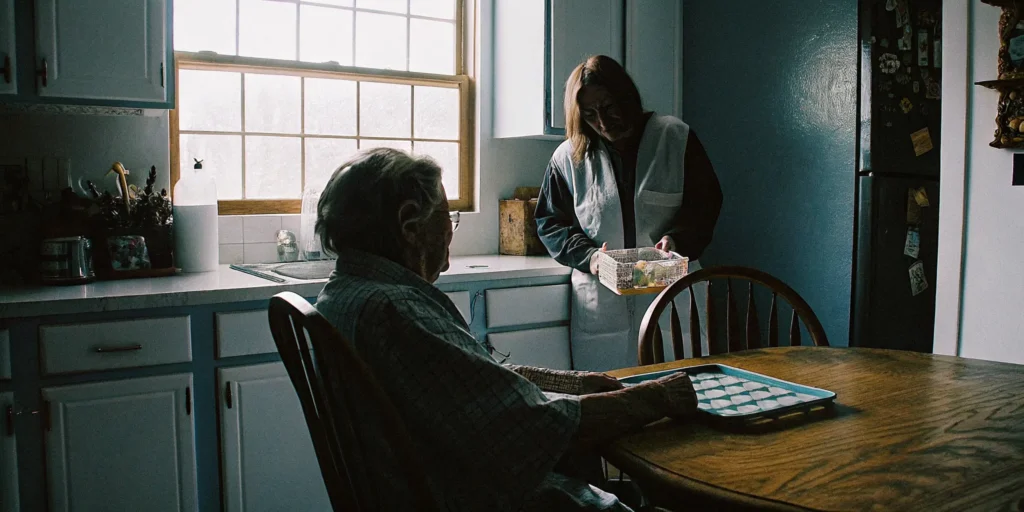
Medication reminders for seniors are verbal or visual cues that help an older adult follow a clinician-approved schedule. A non-medical caregiver can prompt the senior, bring water, observe the routine, and report concerns. The senior remains responsible for taking the medication. Changing doses, choosing medicines, giving injections, or placing pills in the mouth requires an appropriately licensed clinician.
Finding the right tool depends on your loved one’s needs. It is important to know which options work best. Learning about What medication reminders for seniors can include helps you build a safer plan. The path toward better care begins with
What medication reminders for seniors can include
For many older adults, staying on top of a daily pill schedule is a challenge. Research shows that about 88.6% of adults aged 65 and older in the United States take at least one prescription medication (NCBI). When a senior has many bottles to track, they may miss a dose or take the wrong pill by mistake. Professional managing medications for seniors often starts with simple, consistent prompts to keep them on track.
Verbal cues and schedule prompts
One of the most common ways to help is through verbal cues. A caregiver can remind a senior when it is time to take a pill based on their doctor’s plan. These prompts often link to daily habits. For example, a caregiver might suggest taking a pill during breakfast or right before bed. This method works well because daily routines help seniors take their meds correctly (Caring Senior Service).
In some cases, tools help when a caregiver is not there. Many families use smart devices or mobile apps to send alerts to a phone. These tools can lower the risk of forgetting a dose. In fact, using a reminder system can drop the rate of forgotten doses from 46% to just 5% over two weeks (Healthline). These systems provide a safety net for seniors who want to stay independent.
Observation and safety checks
Medication reminders are more than just a quick alert. Caregivers also watch to see that the senior takes the pill safely. This might include getting a glass of water or helping the senior sit up. They also look for new side effects or signs that a senior is struggling with their pills. These non-medical home care services provide peace of mind for families who cannot be there every day.
It is important to know what a non-medical caregiver can and cannot do. They can help organize pill boxes and give reminders, but they do not decide on doses. They also do not perform medical tasks like using needles (Touching Hearts at Home). By keeping clear logs of every reminder, caregivers make sure everyone on the care team stays informed. This support with medication reminders is a key part of staying safe at home.
Reminder, assistance, or administration: what is the difference?
In short: A reminder is a cue, assistance provides limited physical support while the senior stays in control, and administration means a licensed professional gives or manages the medication.
It is easy to get mixed up by the terms used in home care. Many people think help with pills is all the same. But there are big legal and safety gaps between each level. Knowing these gaps helps you pick the right care for your loved one. About 88.6 percent of seniors in the U.S. take at least one ordered drug, according to the National Center for Biotechnology Information. With so many people taking meds, you must know who can help and how.
Using medication reminders for seniors
A cue is the most basic form of help. In this case, the senior is still in charge of their own health. The aide just gives a verbal cue or checks the clock. They might say, “It is 8:00 AM, time for your heart pill.” This is a key part of personal care services in Aurora. The goal is to keep the senior on a set plan. The aide does not touch the pills or open the bottles. They just help the senior stick to their own daily habits.
Cues are very helpful for those with mild memory loss. They help stop skipped doses and double dosing. Aides can also log when the senior takes their pills. This record helps doctors see if the plan is working. It also gives family members peace of mind. You can rest easy knowing someone is there to watch the clock for your loved one.
Understanding medication help at home
Help goes one step further than a simple cue. This involves body help that is still not medical. An aide might bring the pill bottle to the senior. They may open a cap for someone with stiff hands. They can also give a glass of juice or water to help the senior swallow. But the senior must still be the one to put the pill in their own mouth. This level of support is common when seniors have support with medication reminders but need a bit more body aid.
This type of help is great for seniors with joint pain. It allows them to stay on their own while getting a bit of body support. Aides can also help sort the pill bottles. They can make sure the right bottles are within reach at the right times. This simple act can make a huge change in a senior’s daily life.
Defining medication administration services
Administration is a medical task. It means the staff takes full charge of the dose. This includes tasks like giving a shot or placing a pill in the senior’s mouth. In many states, only a licensed nurse or trained staff can do this. Non-medical home care teams usually do not offer this service. If your loved one cannot swallow on their own, they may need more care.
You should always check with your local team to see what their staff is allowed to do. Every care plan is its own and must follow local laws. If your loved one needs medical help, a nurse or home health aide is a better fit. These experts are trained to handle more complex health needs and drug habits.
Type of Care
Who Can Help
Main Task
Is it Medical?
Reminder
Aide
Gives verbal cues and checks the clock.
No
Help
Aide
Provides permitted physical help while the client stays in control.
No
Administration
Nurse
Gives shots or places pills in the mouth.
Yes
Before you start a new care plan, talk to your family doctor. They can tell you which level of care is best for your senior. You should also ask your home care team for a list of their services. Rules can change from one group to the next. By asking these questions, you make sure your senior stays safe while getting the help they need at home.
Where non-medical home care stops
Key boundary: Non-medical caregivers support an established routine, but they do not make clinical decisions, change instructions, or perform nursing tasks.
Do not change a dose, schedule, or medication.
Do not give injections, manage IV lines, or place pills in a senior’s mouth.
Do not diagnose symptoms or advise whether to skip a dose.
Report concerns to the family and appropriate clinician.
The limits of non-medical help
Non-medical home care looks at the daily needs of seniors. It is a vital service that helps people stay in their homes. But it is not the same as home health care. Home health includes medical tasks done by nurses or experts. Non-medical care is different. It covers tasks like cooking, cleaning, and personal care services. These services help with dignity and safety. But they do not include medical work.
When it comes to health, there are clear lines. A caregiver can help with managing medications for seniors. This often means giving medication reminders for seniors. They make sure the person knows it is time for their pills. They can bring a glass of water or open a pill bottle. But they cannot take the pill out and put it in the person’s mouth. That is a medical act. They also cannot give shots or manage IV lines. These tasks need a nurse.
Caregivers also cannot give medical advice. They cannot tell a senior to take more or less of a drug. If a senior has a new pain, the caregiver cannot suggest an aspirin. They must follow the care plan as it is written. They also cannot fill pillboxes in many states. This task often needs a nurse or a family member. Caregivers also do not draw up syringes or give shots. Their role is to watch the senior and report what they see. This keeps the family and doctors informed about the senior’s health.
When to call a medical expert
There are signs that a senior needs more than non-medical care. These are often called red flags. A red flag might be a sudden change in mood. It could be a new cough or a fever. Caregivers are trained to watch for these signs. They do not treat the illness. Instead, they tell the family or the office right away. This quick report can prevent a trip to the hospital. Helping a senior stay on track is a big job. Research shows that between 40% and 75% of adults fail to take their pills on time.
Handling refusals is another area with strict rules. A caregiver cannot force a senior to do anything. If a senior says no to their medicine, the caregiver must stop. They cannot argue or use force. Instead, they try to understand why. Maybe the pill is hard to swallow. Or maybe the senior feels sick. The caregiver notes the refusal and tells the family. This allows a doctor to step in if needed. They must never use their own judgment to ignore a refusal.
Medical choices belong to licensed staff. A caregiver cannot decide if a wound looks sick. They can only say that it looks different than before. They cannot change how a senior takes their pills. Any change must come from a doctor’s order. By keeping these roles clear, seniors get the best care from everyone. Caregivers must log every prompt they give. This record is a vital tool for the whole health care team. It ensures that everyone knows the senior is safe and following their plan.
How to build a safer medication reminder routine
Making a set plan for your pills can save your life. Many people find it hard to stick to their doctor’s orders every day. In fact, research shows that 40% to 75% of adults fail to take their pills on time each day. A clear routine helps you stay on track and avoid errors.
Talk with your care team
Before you change how you take your pills, talk to your doctor. Never stop or start a drug without their help. Your doctor and pharmacist can tell you which pills are key. They also know if some drugs do not mix well. Ask your doctor for a clear list of what you should take.
A good plan involves more than just a timer. It needs a team that includes your doctor, family, and caregivers. Social support plays a big role in helping seniors stay safe. When everyone knows the plan, mistakes are less likely to happen. You should share your drug list with your family so they can help you watch for side effects.
Steps for a safe routine
The tools you use can make a big change in your health. Simple pill boxes work well for some, but others need more help. Smart timers or apps can send alerts to your phone. These tools reduce the stress of trying to know if you took a dose. You can build a strong habit by following these six steps:
Meet with your pharmacist to check your full drug list. They can find drugs that might cause bad side effects when taken at the same time.
Write down a master list of all your drugs. This list should include the drug name, the dose, the time of day, and why you take it.
Pick clear timing cues to help you remember. For example, you might take your pills right after you brush your teeth or finish your breakfast.
Use an approved pill box to sort your doses for the week. This helps you see at a glance if you missed a dose or took one twice.
Start a daily log to track when you take each pill. This record helps your doctor see if your current plan is working or needs a change.
Make a list of people to call if a problem happens. Include your doctor, your local pharmacy, and a close family member who can help.
Support for your daily plan
Sticking to a schedule is not always easy, but you do not have to do it alone. Some families find that expert help makes the task much safer. If you are coming home from a clinic, use a hospital to home care checklist to get ready. This list helps you set up your home for a fast healing process.
Non-medical caregivers can offer great support with medication reminders for seniors. They do not give the drugs, but they keep you on time. They can also help with grocery trips and meal prep. This care lets you focus on your health and feel safe in your own home.
Which medication reminder tools work best?
The best tool is the one the senior can use consistently and that matches the clinician-approved plan. Families often combine a simple organizer with an alarm and a caregiver check-in.
A clearly labeled organizer prepared by the appropriate person
Phone, clock, or smart-speaker alarms
A written schedule kept in one visible place
A daily log shared with family or the care team
Regular caregiver check-ins for added accountability
Choosing the right way to track pills depends on a person’s daily life and health needs. While some people do well with a simple note, others might need a loud alarm or help from a person. It is vital to think about things like eyesight, hearing, and hand strength when picking a tool. About 88% of older adults in the U.S. take at least one pill daily, making medication usage a major part of senior safety at home. Having the right tool can turn a hard task into a simple habit.
Simple tools for easy routines
Low-tech tools are often the best place to start for seniors with simple needs. A weekly pill box with clear labels can help someone see if they missed a dose. These boxes come in many sizes, including large ones for people with poor vision or shaky hands. A written chart on the fridge or a large-print calendar also serves as a quick check for daily tasks. Some families use color-coded labels to help a senior tell the difference between morning and night pills.
Caregivers can help by setting up these charts and boxes each week. This type of support with medication reminders ensures the right pills are ready for each day. These tools work well because they do not need a phone or internet. They are easy to see and use without any tech skills. This simple setup helps many seniors stay in control of their health without feeling stressed by new gadgets.
Digital alerts and smart devices
For seniors who use a cell phone, apps and smart alarms offer a more active way to stay on track. Research shows that about 40% to 75% of adults fail to take their pills on time each day. A smart alarm can ring until the person clicks a button, which helps those who get distracted easily. Many of these tools allow users to log their doses, which can be shared with a doctor later. Some apps even let a family member know if a dose was skipped.
Smart pill dispensers are another choice for complex needs. These machines open the right dose at the right time and keep other pills safe. This is helpful for people with cognitive decline who might accidentally take too much or mix up their pills. These tools reduce the stress of tracking many different pills and help keep seniors safe at home. They provide peace of mind for families who cannot be there at every dose.
Caregiver check-ins and personal help
Sometimes the best tool is a person. A professional caregiver can provide a friendly nudge that a machine cannot. This is part of managing medications for seniors who live alone. Caregivers can watch for side effects and report them to the family or doctor right away. They can also help read small labels or open tough pill bottles for those with low hand strength.
A personal visit also helps build a healthy routine. Taking pills at the same time as a meal or a walk makes it easier to remember. Caregivers can help with these habits while providing company and kind support. This blend of help and routine is often the most reliable way to ensure a senior stays healthy and safe. It builds trust and makes the daily routine feel less like a chore and more like a part of a caring day.
When should a nurse or clinician get involved?
Contact a clinician when the routine requires medical judgment or hands-on clinical care. Seek urgent help for severe symptoms, suspected overdose, or a sudden change in condition.
The senior cannot take medication independently.
A dose may have been missed, doubled, or taken incorrectly.
New side effects, confusion, dizziness, or swallowing problems appear.
The plan includes injections, wound care, or other skilled tasks.
Simple tools like apps or alarms are not always enough to keep a senior safe. You may need to call a doctor or a nurse if you see new health problems. If a senior shows signs of a bad reaction to a drug, get medical help right away. Expert help is also needed if the person can no longer follow a simple plan on their own.
Signs you need a doctor
If a senior feels dizzy, sick, or confused after taking a pill, call their doctor. These can be signs of a drug error or a bad side effect. It is also wise to seek help if they start managing medications for seniors with frequent mistakes. A nurse can help check the drugs and make a safe care plan.
Many people do not take pills on time. Studies show that 40% to 75% of adults fail to take their prescribed medications on time each day. If a loved one misses doses often, they may need more than just support with medication reminders from a friend or family member.
When to call a pharmacist
A pharmacist can help if you have questions about how a drug works. They can check if two pills might cause a bad reaction when taken together. You should also call them if you see a pill that looks different than usual. They can give clear tips on how to use tools like a pill box or a smart dispenser.
When to seek fast help
Some cases need help right away. If a senior takes the wrong pill or too much of one, call for help fast. Do not wait for signs of a problem to show up before you act. Signs of a crisis like trouble breathing or a fit need a call to 911 at once. In these cases, home care tools are not enough to keep the person safe.
Choosing the right level of home care support
Choose support according to what the senior must do safely, not only how often someone needs to visit. Non-medical personal care may fit a stable reminder routine, while skilled needs call for a nurse or clinician.
Consistent personal care can help an older adult follow an established daily routine.
Picking the best level of care for a loved one is a big step. Many families in Aurora start with non-medical care to help with daily tasks. This often includes support with medication reminders and light chores. This type of care helps seniors stay safe and independent at home while they follow their doctor’s orders.
Care that fits your needs
Most older adults take at least one prescription drug. About 88.6% of people aged 65 and older used these drugs in recent years, per a study on senior health. For many, a non-medical caregiver is a great choice to help keep things on track. These helpers can give verbal prompts to take pills at the right time. They can also help with meals and keep a clean home so the senior can focus on their health.
In some cases, a senior might need medical help. This is when private nursing services are a better fit. Nurses can give shots, care for wounds, and manage medical tools. If your loved one needs help with basic tasks and medication reminders for seniors, our personal care services can provide that daily support. We also have private nursing services if more clinical care is needed later on.
Questions to ask an agency
When you talk to a home care agency, you should ask about their rules. You might ask if their team can help with managing medications for seniors through reminders. Ask how they track when pills are taken. You should also find out if they have a nurse who looks over the care plans. This helps make sure the care stays right for the senior as their needs change.
Working with an agency means you have a partner in care. You can talk about what is working and what needs to change. This team effort helps keep your loved one safe. It also gives you peace of mind knowing they have help each day. Between 40% and 75% of adults struggle to take pills on time, as noted in a report on medicine habits. Having a set plan and a kind helper can make a big difference.
Frequently Asked Questions
Are there pill reminders made just for seniors?
Yes, many tools help seniors take their pills. You can use simple boxes with days of the week or smart boxes that beep. Some phone apps send loud alerts to remind you of each dose. One study shows that these apps help people stay on their schedule much better after three months. According to GoodRx, there are over 100 apps to choose from on most phones.
Can caregivers help seniors manage their pills?
Caregivers in non-medical home care can provide helpful prompts and help you set up your pill boxes. They can also watch for any bad signs and tell your family or doctor. However, they cannot give you pills or shots themselves. These workers are not nurses, so they can only remind you to take your own dose. This service helps keep you safe while you stay on your own at home.
How do smart pill boxes help seniors stay safe?
Smart pill boxes help seniors by locking up doses until it is time to take them. They use lights and sounds to alert you when a dose is ready. This stops you from taking too many pills by mistake. These tools are very good for those with memory issues. Research from Healthline shows that smart tools can reduce the rate of forgotten doses from 46 percent down to just 5 percent.
What plans help seniors stay on track with their pills?
The best way to stay on track is to build a habit. Many seniors find it easy to take their pills during meals. This ties the task to something you already do every day. You can also use a wall chart or a smart device to track each dose. Experts at Caring Senior Service suggest that making reminders part of a daily routine is a very good plan.
Families can match daily support to a senior’s needs and clinician-approved plan.
Ready to talk about the right level of home care?
Missing one dose of vital pills can lead to a sudden health crisis, a fall, or a trip to the hospital you could stop. You do not have to wait for a scary health event to happen before you look for help to keep your senior safe and well. Our local team helps with managing medications for seniors to make sure they stay at home, giving you the peace of mind you need now.
Ready to talk with our team about the right level of home care? Call +1 303-718-6438 to get a free consultation now and learn how our local caregivers can support your whole family right here in Aurora today.