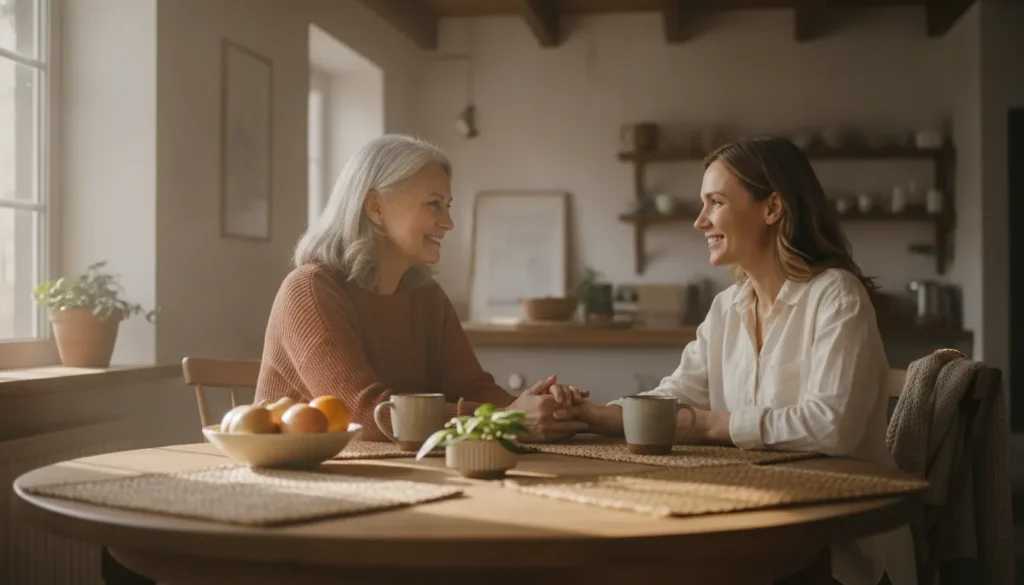
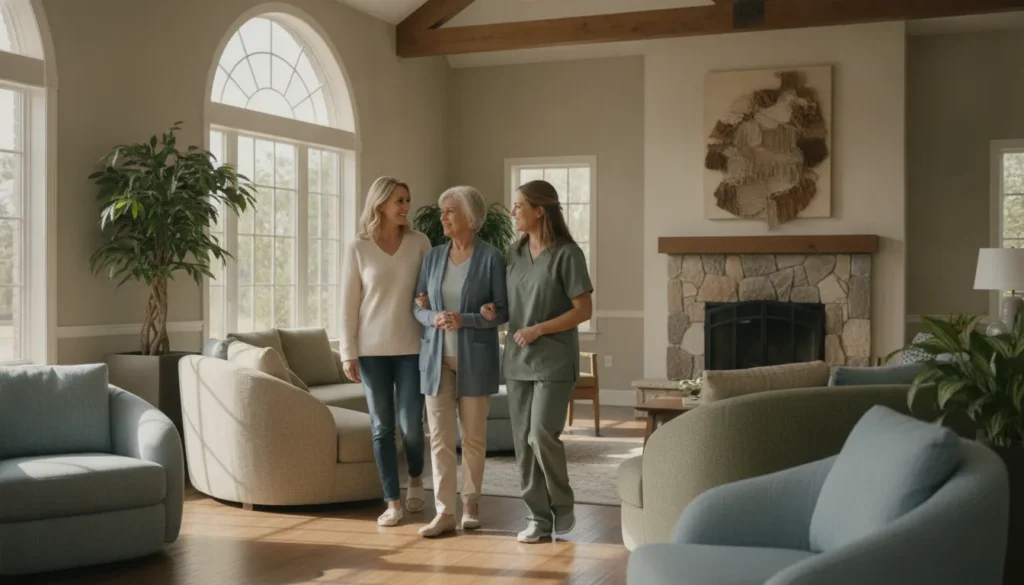
Needing help with bathing, dressing, or moving safely does not have to mean giving up control. The right personal care services support an older adult’s daily routine while protecting privacy, comfort, and choice.
A respectful caregiver does not simply take over. They ask permission, follow familiar preferences, and give only the level of help that is needed. This approach can make everyday tasks safer while helping an older adult remain confident and involved in life at home.
For families in Aurora, understanding what personal care includes is the first step toward choosing support that feels right. The sections below explain common services, signs that help may be useful, and ways to find a provider who puts dignity first.
What are personal care services?
Personal care services help people with daily tasks they can no longer do alone. These services focus on health and comfort to help you stay in your own home. The main goal is to protect your dignity while giving you the right level of help. As stated by the National Institute on Aging, these services meet your needs when you can no longer do daily chores. This help lets you stay in a known place instead of moving to a care home.
Tasks for daily life
Personal care often centers on “activities of daily living,” or ADLs. These are basic tasks that most people do every day. They include things like bathing, getting dressed, and eating. Help with professional personal care services also covers grooming and moving around the house. Caregivers can also help with medication reminders to keep you on track with your health plan.
Many seniors find they need help with more than one task as they age. Data shows that about 61% of people in adult day centers need help with three to six of these tasks. This was reported by the Centers for Disease Control and Prevention. Having a helper for these chores can keep you safe and reduce the risk of falls. It also ensures that your basic needs are met with kindness and care.
Personal care versus skilled care
It is vital to know that personal care is not the same as medical care. Personal care helps with your life at home and is often called non-medical care. But even though it is not medical, some teams use nurses to check care plans. This comprehensive home care services style ensures the help you get is right for your health. It bridges the gap between simple chores and skilled medical support.
In contrast, home health care focuses on medical tasks. This may include wound care, physical therapy, or using complex gear. You often need a doctor’s order for these medical services. They are usually short-term while you recover from an injury or surgery. The table below shows the main differences between these two types of home support.
| Feature |
Personal Care |
Home Health Care |
| Main Focus |
Daily life tasks |
Medical health needs |
| Common Tasks |
Bathing and dressing |
Wound care and therapy |
| Provider |
Trained caregiver |
Nurse or therapist |
| Doctor Order |
Not required |
Needed for care |
| Primary Goal |
Support freedom |
Treat an illness |
Freedom and family support
Using personal care is a path to keeping your freedom, not giving it up. It lets you stay in your local area and stay close to friends and family. This known setting is great for your mind and heart. When a trained helper takes over these tasks, it also helps your family. You can focus on enjoying your time together rather than worrying about chores.
Adult children often feel a lot of stress when they try to balance work and care for a parent. This “sandwich generation” can avoid burnout by getting trained help. With a caregiver in the home, family time can focus on love rather than daily tasks. It brings peace of mind to everyone. It allows the whole family to live a fuller and more relaxed life.
Bathing, dressing, and grooming with dignity
Helping a loved one with daily tasks can be a fine balance. Personal care involves more than just physical help. These tasks are private for most people. When a senior needs help with bathing or dressing, it can feel like a loss of control. Our goal is to make these moments as easy and kind as possible. By focusing on dignity, we help seniors feel good.
Prioritizing privacy and consent
Privacy is the first step in giving kind care. Many seniors find it hard to ask for help with bathing or grooming. Caregivers must approach these tasks in a quiet, calm way. Simple steps, like using a towel for cover while bathing, can make a big change. It is also key to ask for consent. This keeps the senior in charge of their own body.
Safety in the bathroom is also a key part of professional personal care services. Wet floors and tight spaces can lead to falls. Using grab bars and non-slip mats helps create a safe setting. When a senior feels safe, they are more likely to relax and help out. This makes the work faster and less stressful.
Supporting choice and habits
Keeping a routine helps seniors know what to expect. Many people have a specific way they like to start their day. Some prefer to wash in the morning, while others like the evening. Following these habits helps the day feel normal. Dressing is another area where choice matters. We encourage seniors to pick their own clothes and jewelry. Being able to choose what to wear helps a person feel like themselves.
Personal care also includes small tasks like hair care and shaving. As said by the Centers for Medicare & Medicaid Services, these tasks help people with daily needs in their own homes. Grooming is often about more than just being clean. It is about looking and feeling your best. When a senior looks in the mirror and sees a well-groomed person, it boosts their mood and worth.
Encouraging safe self-care
It is vital to let seniors do what they can for themselves. This is often called “active” care. If a senior can brush their own teeth or wash their face, they should do so. A caregiver can set up the items and stand by for safety. This approach builds self-trust and keeps the mind and body active. It turns a “task” into a shared job that values the person’s skills.
Over time, these daily moments build trust. A caregiver who handles bathing and dressing with care becomes a valued companion. This bond is at the heart of what we do. By treating every task with grace, we ensure that aging does not mean losing one’s sense of self. We focus on the person, not just the physical need, to give the best care possible.
Mobility and toileting support that respects privacy
Moving safely is a big part of living well at home. Many seniors want to stay in their own space but need help to do so. Our professional personal care services focus on helping you move with ease. We make sure your dignity stays in place at all times. This support is not about losing your freedom. It is a way to make sure you can enjoy your home without the fear of a fall. Safety is our main goal for every client.
Safe movement around the home
Moving from a bed to a chair can become hard as we age. Walking to the kitchen or bathroom can also feel like a chore. Our caregivers are trained to help with these moves, which are often called transfers. They use safe ways to support your weight and guide your steps. This help lowers the risk of trips and falls in your home. Falls worry many families, but help can prevent them. With a steady hand nearby, you can move from room to room with more trust.
Each care plan at Touching Hearts at Home Aurora has nurse oversight. A nurse looks at your needs to make sure the help is right for you. They check how you move to see what will keep you safe. You might need an arm to lean on or more active help. Our goal is to keep you moving. These full home care services help you stay active. Living on your own is easier when you have the right support by your side.
Dignity in personal hygiene
Bathing and grooming are very private tasks. It is normal to feel shy about asking for help with these needs. We train our team to provide personal care services in a way that respects your privacy. We focus on being quiet and gentle during these times. Our caregivers handle these tasks with great care. They make sure you feel at ease through the whole process. We believe that help with hygiene should always be respectful and kind.
Our matching process helps build a bond between you and your caregiver. We pair you with someone who has the right skills and shares your interests. This bond makes private tasks feel less like work and more like part of your day. When you trust the person helping you, it is easier to feel like yourself. We work hard to protect your pride while making sure your hygiene needs are met. You can count on us to keep your health and your privacy as our top focus.
Support for daily bathroom needs
Toileting and bathroom care are sensitive topics for many. Needing help in the bathroom can feel like a big change in life. But getting the right help can prevent health issues like skin sores or infections. Our caregivers provide help with the bathroom in a calm and simple way. They focus on keeping you clean and dry at all times. They make the process as quick and easy as they can for you. This help is vital for staying healthy and feeling good each day.
We also help with managing incontinence with care and skill. This support helps you feel at ease and avoids the stress of accidents. Our team is here to help you manage these needs without feeling bad. By providing steady and reliable help, we allow you to focus on your day. You will not worry about the next bathroom trip. This kind of care is a key part of staying free and happy in your own home. Our team is ready to help you with these needs.
What does dignity-focused care look like?
Dignity is at the heart of good care. For seniors, getting help with daily tasks can feel hard. A skilled helper knows how to make these moments feel safe and kind. This type of care looks at the person, not just the job. It makes sure that every act helps the client feel free and in control.
Respecting personal space and choice
A good helper always asks first before they start a task. They do not just walk into a room or start a bath without a word. This simple act gives the senior power over their day. It shows that the helper respects the client’s home and body. Small choices, like picking an outfit or when to eat, help a person feel more in charge.
When giving professional personal care services, the goal is to follow the client’s lead. This means learning their habits and what they like. Maybe they use a certain soap or like their bed made a specific way. Paying attention to these small things builds trust. It turns a chore into a way to show true care. The Centers for Medicare & Medicaid Services note that safe help is key to guarding people at home.
Clear talk and firm limits
Talking is a big part of the job. It is also about listening and watching for signs. A skilled aid explains each step before it happens. They might say, “I will help you stand up now,” so there are no shocks. This keeps the senior from feeling rushed or mixed up. Clear talk helps build a strong link between the helper and the family.
Setting clear limits is also a must. A helper is there to assist and be a friend, but they must stay on task. This means being on time and staying on top of the client’s needs. They do not share their own life problems or cross the line. By keeping these rules, the helper makes a calm space where the senior can do well. This keeps the bond strong and the care safe.
Watching and noting changes
Helpers act as the eyes and ears for the family. They look for small changes in health or mood that others might miss. This could be a new mark on the skin, a cough, or eating less. Telling the family or doctor quickly can stop big problems later. Skilled teams use clear logs to track these facts every day.
This close watch is a key part of respect. It shows that the client’s health is the main goal. When a helper finds a problem, they speak up right away. This team work makes sure the care plan stays right for the client. It gives the family peace of mind. They know their loved one is in good hands. Good help at home lets seniors stay in their house and live with pride.
How personal care can protect independence
Many seniors worry that getting help means giving up their freedom. But the right support does the opposite. It helps you stay in charge of your life. When you use personal care services in the Aurora area, you get the help you need to live safely. This support lets you focus on what you enjoy instead of struggling with hard tasks.
Keep your daily habits
Daily tasks like dressing or bathing can take a lot of energy as we age. When these chores become hard, some people start to pull back from their normal life. They might stop seeing friends or quit their hobbies. Help with these activities of daily living gives that time and energy back.
A caregiver can help you get ready in the morning so you are fresh for the day. They can help with meals or remind you to take your pills. These small steps make sure you can keep your own habits. You stay in the home you love while getting the care that keeps you healthy.
Build safety and confidence
Safety is a big part of staying independent. A fall or an injury can lead to a long stay in a hospital. This often leads to a loss of choice. Personal care staff help with balance to prevent these risks. They know how to help you move or walk through your home safely.
Beyond safety, feeling good about how you look builds self-worth. It is hard to feel at your best if you cannot comb your hair or pick out your clothes. Help with these tasks keeps your spirit high. When you feel clean and well-dressed, you feel more in control. This helps you stay active in your local neighborhood.
Lead the way in your own home
Independence is about choice. It means choosing when you wake up, what you eat, and who you see. The best care plans respect these choices. A good caregiver does not take over your life. Instead, they work with you to meet your goals. They give the support that fits your own needs from our home care services.
You can have care for just a few hours a week or much more. This means you only get the help you want. You are still the boss of your own home. Having a pro help with the hard parts of the day keeps your dignity intact. It lets you spend your time on the things that matter most to you.
When is it time to consider personal care?
Deciding when to start personal care services is a big step for any family. Many adults now find themselves in a tough spot. They must balance a job, their own kids, and their aging parents. This group can feel like they are always on call. You want the best for your loved one, but you also need to take care of yourself.
The need for help can come on very fast, such as after a heart attack or a stroke. More often, the need for long-term care grows slowly. You might see small shifts in how your loved one acts. They might skip meals or forget to take their pills. These small gaps can lead to bigger risks over time. Knowing the signs can help you act before a crisis hits.
Signs your loved one needs help
You may start to notice that your loved one is not as active as they once were. Daily tasks might take much longer or go undone. These core tasks are known as activities of daily living, or ADLs. They include things like bathing, dressing, and eating. When these tasks become hard, it is a sign that extra help may be needed. Research from the CDC shows that 61% of adults in day centers need help with three to six of these tasks.
Look for signs that go beyond physical help. Social life is also key. If your loved one stays home more and stops seeing friends, they may be lonely. This can hurt how they feel and think. Personal care often includes companionship. This helps them stay linked to their area while staying safe at home. It keeps their mind sharp and their heart full.
Starting the conversation
Talking about help can be hard. Your loved one may fear they will lose their freedom. You must show them that help is a way to stay in their own home. It is not about giving up. It is about getting the support they need to stay safe and well. Focus on how much you love them. You want them to stay in the place they know best. This keeps their dignity at the front of the talk.
Focus on health goals during these talks. Ask what they want to do but find hard now. Maybe they want to walk in the park or cook a meal. Help can make those goals real again. By using professional personal care services, you can also lower your own stress. This lets you spend better time with them as a family member rather than a task manager.
Steps to take now
When you decide it is time to move forward, having a clear plan helps. Follow these steps to find the best care for your loved one.
- Watch for small changes in their daily habits. Look for signs that they have a hard time with grooming or moving around.
- Talk about their goals for the future. Make sure they know that their dignity is always the top goal of any care plan.
- Get advice from a source you trust. Ask a doctor for a list of good home care options in your area.
- Set up a free visit in the home. This lets an expert see how your loved one lives and what support they need most.
- Create a custom plan with an RN. At Touching Hearts at Home, an RN checks each plan to make sure it is safe and works well.
How to choose a personal care provider
Finding the right help for a loved one is a big step. Choosing the best agency means looking past the basic list of tasks. You want a team that values your family’s comfort and safety. Good professional personal care services do more than just help with chores. They build trust and help seniors stay in their own homes for a long time.
The right provider should feel like a partner in your care. They understand that every person has a unique life story and set of needs. When you start your search, look for an agency that asks questions about your loved one. This shows they care about the person, not just the service. It also helps them give the best support possible each day.
Check for caregiver screening and training
Start by asking how the agency finds its staff. Safety is the top priority when bringing someone new into a home. A good provider will run full background checks on every person they hire. They should look at work history and check for any past issues. This step gives you peace of mind when a new face enters your home.
Training is also key for high-quality care. A provider should teach their staff how to handle specific needs. This includes help with bathing, dressing, and moving around the house safely. Ask if they have special training for memory loss or other health issues. Knowing the helper is well-trained makes daily life much easier for everyone.
A great team will match a caregiver to your loved one’s needs and personality. This match helps build a strong bond between the client and the helper. It makes the daily care feel more natural and less like a business deal. When a senior likes their caregiver, they are more likely to stay active and happy at home.
Look for personalized care planning
Every person has different needs as they age. A one-size-fits-all plan rarely works well for most families. Ask if the agency uses a nurse to help set up the care plan. Professional reviews ensure that the help given is safe and right for your health. The National Institute on Aging says these plans should cover your health needs and daily habits.
The plan should also be flexible as things change. Your needs might shift over time as you get older. A good provider will check in often to see how the client is doing. They should be ready to update the plan as health or goals shift. This focus on the person helps maintain their dignity and independence at home. It ensures they get the exact level of help they need to thrive.
Evaluate communication and schedule flexibility
Clear talk between you and the agency is vital for success. You need to know how they handle emergencies or when a helper is late. A reliable provider has a clear way to share updates with the family. They should also be easy to reach if you have questions or concerns. Good talk builds a sense of peace for the whole family.
- Ask if they offer care 24 hours a day or just for a few hours a week.
- Find out how they handle it when a caregiver is sick or on vacation.
- Check if you can change the schedule if your family’s needs shift.
Schedule flexibility is key for busy families today. Some may only need help for a few hours each week. Others might need full-time care to stay safe in their own home. A great agency will work with your schedule to find the best fit. This helps reduce stress for the family while giving the senior the best support possible.
Frequently Asked Questions
Who qualifies for personal care services?
Most seniors qualify for these services when they need help with daily chores but want to stay in their own home. You might find it hard to bathe, get dressed, or move around safely. According to the National Institute on Aging, these services meet your needs when you can no longer do basic tasks alone. A care team will talk with you to find the right level of help to keep you safe.
What activities do personal care services cover?
These services cover basic self-care tasks often called activities of daily living. They include help with bathing, dressing, and eating. A caregiver can also help you with grooming, using the restroom, and moving from place to place. Based on data from the Touching Hearts at Home team, these tasks also include medication reminders. The goal is to help you with the hard parts of your day so you can focus on your health.
Is personal care the same as medical care?
No, personal care is non-medical help for your life at home. Medical care, or home health care, deals with things like shots, wound care, and physical therapy. While personal care does not give medical treatment, it can still have professional oversight. For instance, some teams use a Registered Nurse to check all care plans. This step ensures that your daily help stays safe and fits your unique health needs and goals.
Can personal care services be provided in the home?
Yes, the main goal of these services is to help you stay in your own home as you age. This type of care lets you keep your own space and known routine while getting the help you need. As stated by the NIH, home-based services allow you to stay in your community rather than moving to a facility. It provides a way to get support while maintaining your sense of freedom and dignity.
Are you ready to stay independent in your Aurora home today?
Waiting too long to find help often leads to a fall or a health crisis that could force you to leave your home for good. Starting care today means you can keep your daily habits and live on your own terms while staying safe and sound in your own home. Our team provides the personal care you need to keep your pride and feel good about each day as you stay in your own home.
Ready to schedule a free consultation? Call (303) 718-6438 to schedule a free consultation today and talk to a local care expert about how our team in Aurora can help you live well and stay safe.