Blog > Blog » Fall Prevention for Seniors at Home: A Family Guide
Fall Prevention for Seniors at Home: A Family Guide
A fall can change how confidently an older adult moves through the home, especially when a familiar hallway, bathroom, or staircase becomes harder to navigate at night. The good news is that families can often lower risk through practical changes, regular conversations about mobility, and steady support that respects the senior’s routines and choices.
Fall prevention for seniors at home starts with removing trip hazards, improving lighting. Adding support where balance is challenged, and reviewing medication, vision, and movement needs with appropriate professionals. Because about one in four older adults falls each year, a room-by-room safety check can help Aurora families identify manageable risks before they lead to an injury. The CDC recommends combining home-safety improvements with strength and balance activities.
Prevention is most effective when it fits the person, not just the floor plan. Start by understanding why this work matters, then use the following guidance to build a safer and more supportive home environment.
Why Fall Prevention for Seniors at Home Matters
Home is meant to feel familiar and comfortable, but everyday surroundings can become harder to navigate when balance, strength, vision, or mobility changes. Falls are not simply an unavoidable part of aging. Small changes in the home and attentive support can help an older adult move through daily routines with greater confidence while preserving independence.
More than half of all falls take place at home, according to the National Council on Aging. That makes the places a senior uses most, such as the bedroom, bathroom, kitchen, stairs, and entryway, important areas to review. A loose rug, dim hallway, or rushed trip to the bathroom at night can create a risk that is easy to miss during a brief visit.
Why a fall can change daily life
The consequences can extend well beyond a bruise. The CDC reports that falls caused 83% of hip fracture deaths and 88% of emergency department visits and hospitalizations for hip fractures in 2019. Women accounted for about 70% of hip fractures treated in emergency departments or hospitals. These figures do not mean that every fall will lead to a serious injury, but they show why prevention deserves attention before an accident occurs.
A broken hip can make it difficult for many seniors to live independently afterward. Recovery may affect bathing, dressing, meal preparation, shopping, and getting around the home. Even when there is no major injury, fear after a fall can cause someone to limit activity. Less movement may gradually weaken the legs and make everyday tasks feel even less secure.
Fall prevention should therefore be approached as a respectful, practical part of aging at home. Families can begin by asking what feels difficult, observing where extra support is needed, and making changes that fit the senior’s preferences. Removing trip hazards, improving lighting, and adding secure grab bars are simple starting points. A primary care professional can also help assess personal risks, while an in-home caregiver can provide consistent observation during daily routines. The goal is not to restrict a senior’s choices. It is to make home safer so those choices remain possible.
Room-by-Room Home Hazard Assessment
A safer home assessment works best when it follows the way a person actually moves through the house. Walk through each space together, notice where balance or visibility becomes difficult, and make changes that support independence rather than limiting it. The National Institute on Aging recommends this room-by-room approach because hazards can be easy to miss when safety is considered only in general terms.
Floors, Stairways, and Hallways
Start with the paths used most often. Remove loose rugs, electrical cords, stacks of mail, shoes, and other items that narrow walking space or create a tripping hazard. Decluttering floor space is often the lowest-cost safety improvement, and it can make daily movement feel easier immediately.
Check that stairways have secure railings on both sides, not just the side that is most convenient to reach. Stairs and hallways should be bright enough to show each step and change in flooring. Add brighter bulbs where needed, and place night lights in hallways for trips after dark. A light near the bed can help someone see the route to the bathroom before standing and walking.
Bathrooms
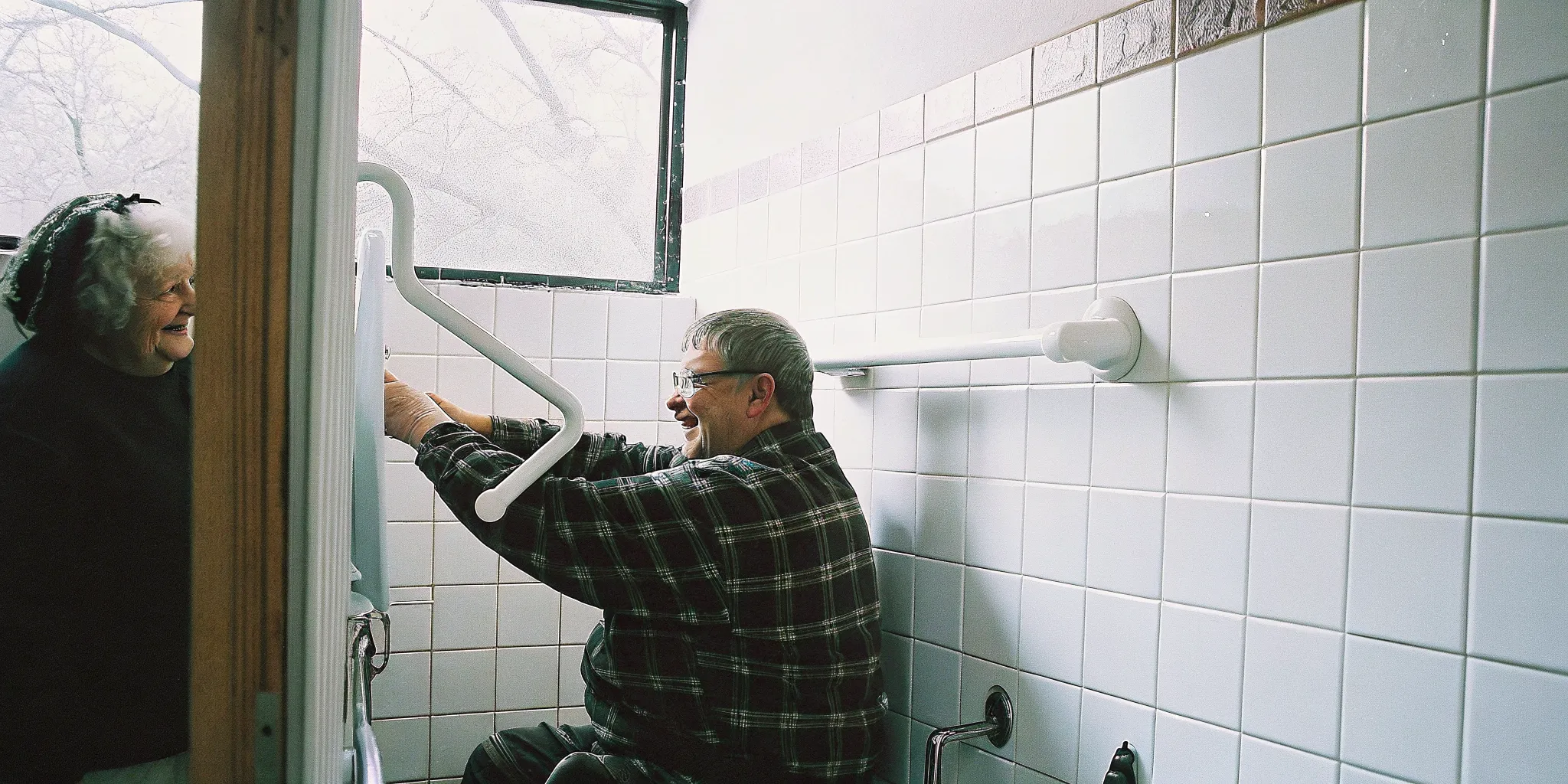
Bathrooms deserve special attention because wet surfaces, transfers, and tight spaces can combine to make balance more challenging. Install securely mounted grab bars inside and outside the tub or shower, as well as next to the toilet. These supports can help with entering, exiting, sitting, and standing, but they should be positioned for the individual’s height and usual movement pattern.
Keep the floor and approach to the bathroom clear. Make sure lighting is strong enough for nighttime use, and consider a night light that does not require a person to search for a switch. A home assessment should look at the complete route, not only the shower itself.
Bedrooms, Kitchens, and Outdoor Areas
In the bedroom, leave a clear path from the bed to the doorway and bathroom. Keep commonly used items within comfortable reach so a person does not need to climb, stretch, or bend suddenly. In the kitchen and other living areas, secure furniture, remove clutter from walking paths, and keep frequently used supplies at accessible heights.
Outside, inspect steps, walkways, and entrances for uneven surfaces or poor lighting. The same principles apply throughout the home: clear the path, improve visibility, and add stable support where a transition requires it. The National Institute on Aging’s room-by-room guide offers a useful checklist, while the CDC fall prevention guidance reinforces the value of removing trip hazards, adding grab bars, improving lighting, and securing stair railings.
Room
Common hazard
Simple fix
Hallways and stairs
Loose rugs, dim lighting.
Remove rugs or add non-slip backing; add brighter bulbs and night lights.
Bathroom
Wet surfaces, no support.
Install grab bars near tub, shower, and toilet; use non-slip mats.
Bedroom
Dark path to the bathroom.
Place a lamp within reach; keep a clear, lit route.
Kitchen
Reaching and step stools.
Store daily items at waist height; wipe spills promptly.
Balance and Strength Exercises to Reduce Fall Risk
Movement can support steadier walking, safer transfers, and greater confidence during everyday activities. Strength exercises that target the legs can help preserve independence with walking and stairs, while balance activities challenge the body in a controlled way. The CDC recommends strength and balance exercises as part of fall prevention, with Tai Chi as one example. Before beginning, use this gradual approach and keep safety ahead of progress.
Talk with a doctor or qualified healthcare professional first. Ask whether exercise is appropriate and whether any movements should be modified for current health conditions, pain, dizziness, or recent injury. Medical clearance is especially important after a fall or a change in mobility. If balance is unsteady, do not exercise alone. Have a trusted spotter nearby or use stable support as directed.
Begin with seated leg exercises. A sturdy chair can provide a supported starting position. Try slow seated knee extensions or marching in place, using a range of motion that feels comfortable. Keep both feet controlled and avoid holding your breath. These simple movements can help prepare the lower body for standing, walking, and stair use without asking for full balance control right away.
Add supported standing exercises. Hold a secure countertop or the back of a heavy chair while practicing gentle sit-to-stand movements. Keep the surface stable and avoid relying on a lightweight table or rolling chair. A family member or caregiver can stay close, particularly during the first attempts. Stop if there is chest pain, unusual shortness of breath, sharp pain, or lightheadedness, and seek professional guidance.
Practice a balance move with support. With a spotter beside you and one hand near a stable support, try a heel-to-toe stand or slow weight shifts. Keep the movement small and controlled. Do not close your eyes, stand on an unstable surface, or progress to more difficult positions without professional instruction. The goal is steady practice, not testing how long you can balance.
Consider Tai Chi or a supervised class. Tai Chi uses slow, deliberate movements that can build awareness, core stability, and balance for older adults living in the community. Look for an instructor experienced with older adults and tell the instructor about any mobility concerns. A class can also make exercise more enjoyable and easier to maintain.
Progress gradually and review what feels safe. Increase time or repetitions in small steps rather than changing several things at once. A caregiver or family member can note changes in steadiness, fatigue, or confidence and share them with the healthcare professional. For more ideas, explore the aging in place checklist for Aurora families and choose activities that respect the older adult’s preferences and abilities.
Consistent, supported practice is more valuable than pushing through discomfort. When a senior feels uncertain, pause and ask for guidance before continuing.
The CDC’s fall-prevention guidance also recommends discussing exercise choices with a healthcare professional and selecting activities that improve leg strength and balance.
Medication Side Effects and Vision Checks That Increase Fall Risk
Some fall risks are easy to miss because they begin with a routine medication change or a gradual shift in vision. A senior may feel slightly unsteady, sleepy, or unsure of a step without realizing that these changes deserve attention. Families can support safer routines by treating new dizziness, drowsiness, blurred vision, or difficulty judging distances as useful information to share with a healthcare professional.
Review medicines and supplements together
Ask the primary care doctor or pharmacist to review every medication for possible side effects, including dizziness or sleepiness. Bring a complete, current list to the appointment. Include prescriptions, over-the-counter medicines, vitamins, and other supplements, along with the dose and when each item is taken. This full picture can help the healthcare team evaluate possible interactions or identify a medicine that may be affecting balance. Do not stop or change a prescription without medical guidance.
The primary care doctor should also evaluate the person’s overall fall risk and recommend specific next steps. That conversation can include balance concerns, recent near-falls, changes in walking, and whether the person feels lightheaded when standing. Families may also ask whether vitamin D is appropriate. Since the CDC recommends discussing vitamin D supplements with a doctor or healthcare provider as part of fall prevention planning.
Vision deserves the same regular attention. Schedule an eye examination at least once a year and update eyeglasses when the prescription changes. Bifocal and progressive lenses can sometimes make steps or distances appear closer or farther away than they are. For outdoor walking, an eye-care professional may recommend single-vision distance lenses instead of progressives to make distance estimation easier. Keep walkways well lit during the transition to new glasses, and allow time to adjust before navigating unfamiliar surfaces alone.
These conversations are not about taking independence away. They help families identify correctable risks while respecting the senior’s routines and preferences. A medication review, annual vision check, and personalized fall-risk evaluation can provide a clearer foundation for safer movement at home and outdoors. If managing daily medications has become harder, our guide to medication reminders for seniors explains the practical support a non-medical caregiver can provide.
How In-Home Care Reduces Fall Risk
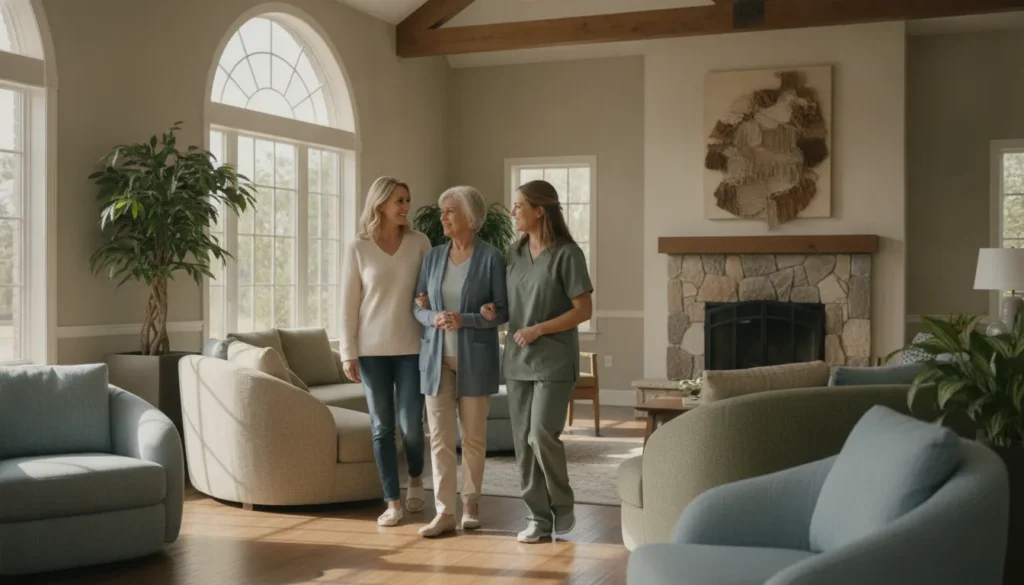
Fall prevention is not about limiting a person’s independence. It is about making everyday routines safer while preserving choice, confidence, and connection. A compassionate caregiver can notice where support is needed, offer it without taking over, and share meaningful observations with family members.
Support during everyday routines
Transfers and bathing are common moments when balance can be challenged. Moving from a bed to a chair, standing from the toilet, stepping into a tub or shower. Or turning on a wet floor may require more steadiness than a senior has that day. A caregiver can provide calm supervision, encourage a safe pace, and assist with personal care services when appropriate. Non-medical caregivers do not diagnose or provide skilled treatment. But they can help a family recognize when a routine has become difficult and suggest discussing changes with a healthcare professional.
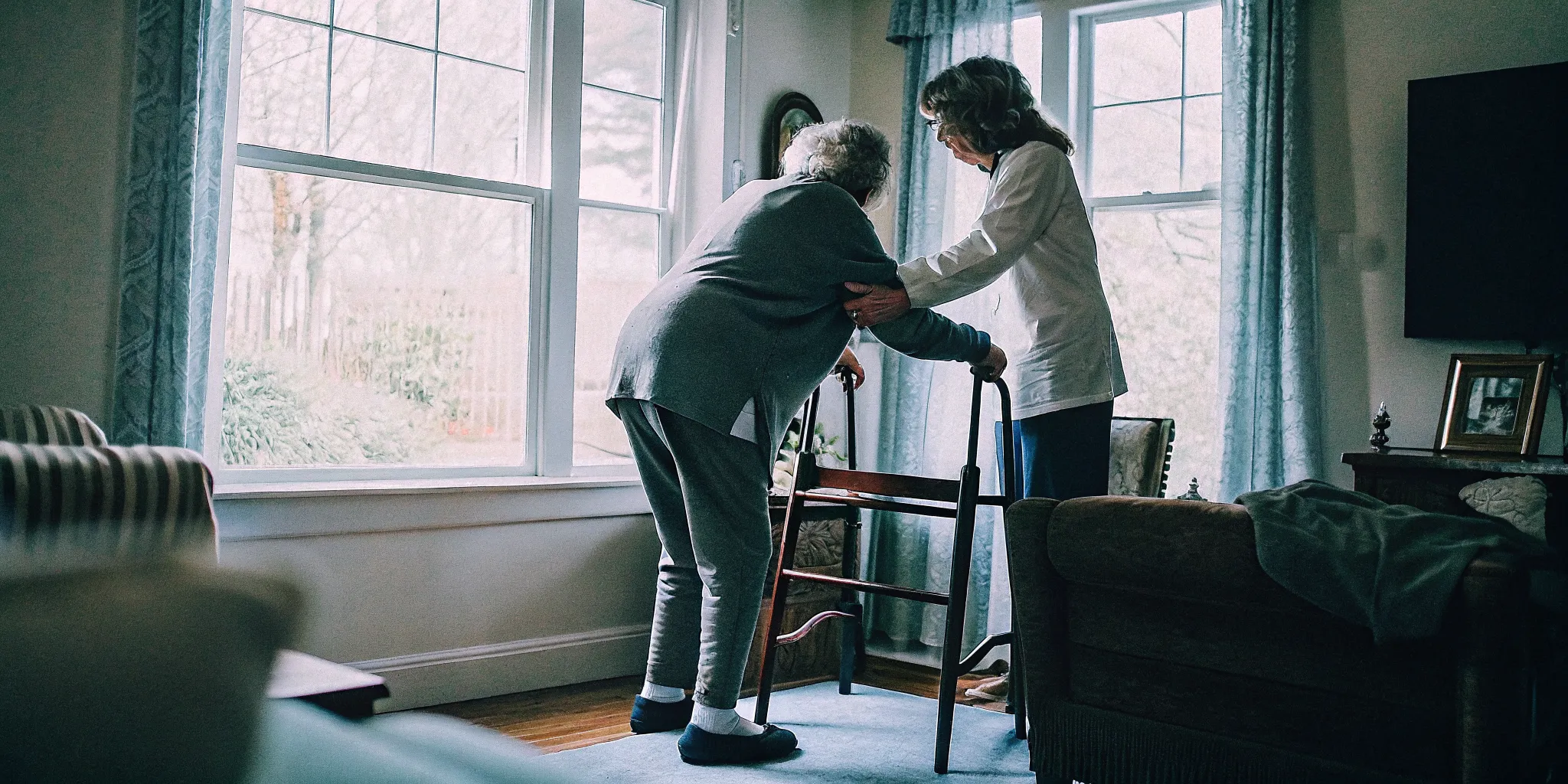
Walking support can also be practical and reassuring. A caregiver may stay nearby during movement through the home, help keep pathways clear. And encourage the use of an established mobility aid as directed by the senior’s healthcare team. The goal is not to make every activity passive. Safe supervision can help a person continue moving through the day instead of avoiding activity because of fear.
Research on fall-risk management emphasizes the value of addressing identified risks rather than relying on a one-size-fits-all approach. A caregiver’s consistent, day-to-day presence can help a family notice gradual changes in balance, gait, or mobility that might otherwise be easy to miss. Those observations can be shared with a doctor or therapist for appropriate evaluation. See the discussion of multifactorial fall-risk management in this peer-reviewed study.
Caregivers can also walk through the home room by room with fresh eyes. They may spot a loose rug, a crowded hallway, poor lighting, or supplies stored too far from a frequently used chair. Decluttering does not need to feel like removing a senior’s belongings. It can be a collaborative process that keeps treasured items while making the safest route easier to use. The clinical overview in the NCBI Bookshelf explains why recognizing and responding to falls is an important part of ongoing care.
Finally, companionship supports safer activity. Conversation, a shared meal, a short walk, or an enjoyable hobby can help a senior stay engaged rather than sitting still all day. Daily connection also gives a caregiver more chances to notice small changes in balance or confidence. For families exploring companion care services in Aurora, the right caregiver relationship can bring both practical oversight and the warmth that makes support feel respectful.
Your Printable Fall Prevention for Seniors at Home Checklist
Print this checklist and walk through each room with your loved one. Check what is already in place, circle the items that need attention, and make changes together so the home feels safer without taking away personal choice. The CDC’s fall prevention guidance emphasizes removing trip hazards, improving lighting, and adding stable support where it is needed.
Entryways and halls
Clear shoes, bags, packages, and other clutter from walking paths.
Remove loose rugs, or use secure non-slip backing where a rug is essential.
Add night lights along hallways and near transitions between rooms.
Check that stairs have secure handrails on both sides.
Keep pathways wide enough for comfortable walking and any mobility aid.
Bathrooms
Install grab bars inside and outside the tub or shower and beside the toilet.
Use non-slip mats that lie flat and stay firmly in place.
Consider a raised toilet seat if sitting down or standing up is difficult.
Use a shower chair when standing for a full shower is tiring or unsteady.
Keep towels, toiletries, and clean clothing within easy reach.
Bedrooms
Place a lamp that is easy to reach from the bed, and use a night light.
Keep a clear path from the bed to the bathroom.
Remove low furniture edges, footstools, and items that are easy to overlook.
Keep a phone or emergency alert device within reach.
Kitchen
Store frequently used dishes, food, and supplies at waist height.
Avoid reaching overhead or standing on step stools for everyday items.
Wipe spills promptly and keep floors dry.
Maintain a clear traffic path between counters, the table, and the exit.
Overall home check
Replace dim bulbs with bright, evenly distributed lighting.
Secure cords against walls and remove extension cords crossing walkways.
Choose shoes with non-slip soles that fit securely.
Recheck the list after illness, a medication change, or any change in balance.
If you would like a deeper look at how daily support fits into a safer home, the Denver home care service guide for Aurora families explains how care plans are built around each senior’s routines. Our memory support strategies also cover extra precautions for older adults who may not remember new hazards.
Frequently Asked Questions
Does Medicare cover fall prevention?
Medicare Part B generally covers an annual wellness visit that can include a fall-risk assessment. But it does not typically pay for home modifications such as grab bars, improved lighting, or stair railings. Coverage can depend on the service and the person’s plan, so families should confirm details with Medicare or their health plan. For general guidance, review the Medicare yearly wellness visit information.
What equipment can make a senior’s home safer?
Useful options may include securely installed grab bars near the shower and toilet, a shower chair. A raised toilet seat, non-slip bath mats, night lights, and properly fitted mobility aids. Equipment should match the person’s abilities and be installed or adjusted correctly. A physical or occupational therapist can help determine what support is appropriate, especially if balance or strength has changed.
What should I do if my parent keeps falling?
Report each fall to the person’s doctor, even when there is no obvious injury. Ask the healthcare team to review medications, vision, footwear, balance, and possible medical causes. Then complete a room-by-room home safety review and address hazards such as loose rugs, poor lighting, and missing bathroom supports. Supervised in-home assistance may also help with transfers, walking, and noticing changes in mobility.
What are the five P’s of fall prevention?
The five P’s are Pain, Potty, Position, Placement, and Personal needs. This rounding framework reminds a caregiver to check whether discomfort, an urgent bathroom need, an awkward position. Misplaced items, or another personal need could prompt an unsafe attempt to stand or walk. It can support attentive routines, but it does not replace medical advice or an individualized safety plan.
Ready to Make Fall Prevention Part of Home Care?
A thoughtful home safety review can help Aurora families identify practical changes that support comfort, confidence, and independence. If you would like guidance tailored to your senior loved one’s routines and preferences, schedule a free in-home safety consultation with the Touching Hearts at Home Aurora team. You can also learn more about our caregivers on the About Us page.