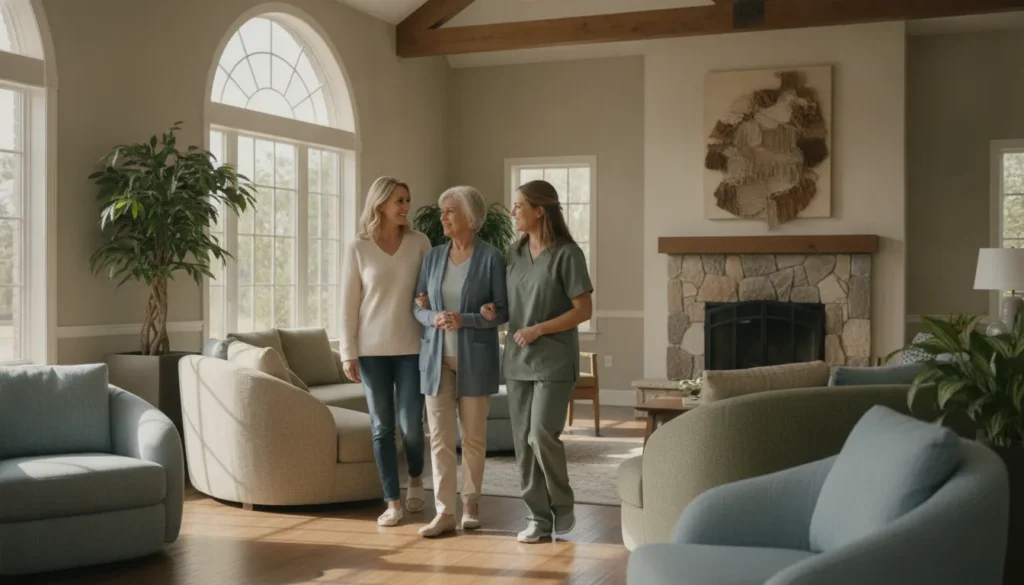
Many families I talk to have misconceptions about the cost of professional home care. They often assume it’s completely unaffordable or that Medicare will cover everything, which can prevent them from exploring what might be the best option. The reality of the live in caregiver cost is often more flexible and manageable than you might think. It’s not a one-size-fits-all price tag. This guide is here to separate fact from fiction. We will look at what really drives the cost, what services are included, and how it compares to other senior care options, giving you a clear and honest picture.
Key Takeaways
- Costs are tailored to your family’s situation: The final price of live-in care is not a flat fee; it depends on your location, the specific services your loved one requires, and the caregiver’s experience, making it a flexible and customizable solution.
- Explore all your payment options: Don’t assume private savings are your only route. You can often combine different resources, such as long-term care insurance, VA benefits, and other programs, to create a sustainable financial plan for care.
- Prioritize the value of one-on-one care: When comparing costs, remember that live-in care provides consistent, dedicated support in the comfort of home, which is often a more cost-effective and emotionally beneficial choice than a residential facility.
What Is a Live-In Caregiver and What Does It Cost?
When you hear “live-in caregiver,” you might picture someone who is on duty 24/7. In reality, a live-in caregiver resides in the home but works a set number of hours, has scheduled breaks, and gets adequate sleep. This arrangement provides consistent, one-on-one support and peace of mind, knowing someone is there for your loved one. The cost for this dedicated care isn’t a single, flat number; it’s influenced by several factors, from the specific services needed to where you live.
Understanding the potential costs helps you plan effectively. While national averages provide a useful benchmark, remember that prices in the Denver metro area may differ. The key is to find a balance between your loved one’s needs and your family’s budget. Exploring the different cost structures and what influences them is the first step toward making an informed decision about in-home care services.
A Look at Hourly and Daily Rates
When you start researching, you’ll find that most home care is priced by the hour. According to A Place for Mom, the typical national cost for non-medical, in-home care is around $33 per hour. Most families can expect to pay somewhere in the range of $20 to $40 per hour. To put that into perspective, if your loved one needs 40 hours of care per week at $30 per hour, the monthly cost would be about $4,800.
Another analysis, the 2025 Cost of Care Survey from CareScout, places the national average slightly higher at $35 per hour, which comes out to $6,066 per month for 40 hours of weekly care. These figures give you a solid starting point for what to expect as you begin budgeting for professional care.
How Costs Vary by Region
Where you live plays a significant role in determining the cost of live-in care. Just like housing or gas prices, caregiver rates fluctuate from state to state and even city to city. For example, Maine currently stands as the most expensive state for home care, while Louisiana and Mississippi have the lowest costs in the country.
The amount of care required also impacts the final price tag. It’s important to note that if a loved one needs extensive, round-the-clock support, the cost of home care can sometimes exceed that of other options, like an assisted living facility. The best approach is to get a personalized quote based on your specific location and the level of care your family member needs.
Rural vs. Urban: Does It Make a Difference?
Yes, it absolutely does. Generally, you can expect to pay more for care in a large metropolitan area compared to a smaller town or rural community. The higher cost of living in big cities often translates to higher wages for caregivers. For instance, care costs in Denver will likely be different from those in a more rural part of Colorado.
Another factor is whether you hire a caregiver through an agency or independently. Agencies, while often more expensive, offer convenience and security. They handle background checks, payroll, and scheduling, and they can provide a backup caregiver if the primary one is unavailable. This structure can be a major benefit for families who need reliable, vetted care professionals.
What Factors Influence the Cost of Live-In Care?
Figuring out the cost of live-in care isn’t as simple as looking up a single price tag. Several key factors come together to determine the final cost, making it a highly personalized expense. Think of it less like buying a product off the shelf and more like creating a custom service plan. The total investment will depend on your specific circumstances, including where you live, the exact type of support your loved one needs, the caregiver’s professional background, and how you go about hiring them. Understanding these elements will help you create a realistic budget and find the right care solution for your family.
Your Geographic Location
Where you live has a significant impact on live-in care costs. Just like housing or groceries, the price for care services varies from state to state and even from city to city. Typically, metropolitan areas with a higher cost of living, like Denver, will have higher rates than smaller towns or rural communities. This difference is tied to local wages, demand for qualified caregivers, and regional economic factors. When you begin your search, it’s helpful to research the average costs in your specific area to get a clearer picture of what to expect for your family’s budget.
The Level of Care Needed
The single biggest factor influencing cost is the level of care required. The needs of someone who primarily wants companionship and help with meals are very different from someone who requires hands-on personal care or assistance with daily living activities. Specialized support for conditions like dementia or Parkinson’s disease also requires caregivers with specific training and experience, which can affect the rate. A thorough assessment of your loved one’s needs is the first step in determining the type of care necessary and its associated cost. This ensures you’re paying for the right level of support.
Caregiver Experience and Qualifications
A caregiver’s background, training, and skills play a crucial role in determining their rate. A companion caregiver may have a lower hourly rate than a certified nursing assistant (CNA) or a caregiver with extensive experience in memory care. If your loved one needs help with more complex tasks or has specific medical needs that require a higher skill set, the cost will reflect that expertise. Reputable agencies invest in hiring qualified professionals and providing ongoing training, ensuring that you receive high-quality, reliable care from a caregiver who is prepared to meet your family’s unique needs.
Agency vs. Private Hire
You have two main paths for finding a caregiver: hiring independently or working with a home care agency. While hiring a private caregiver might seem less expensive at first glance, it makes you the employer. This means you are responsible for handling payroll, taxes, insurance, background checks, and finding a replacement if your caregiver is sick or on vacation. Working with an agency like Touching Hearts at Home streamlines this entire process. We manage all the administrative tasks and ensure every caregiver is thoroughly vetted, trained, and insured, giving you valuable peace of mind and consistent, reliable support.
What Services Affect the Final Cost?
The term “live-in care” covers a wide range of support, and the final price tag depends entirely on the specific services your loved one needs. Not every senior requires the same level of assistance, so care plans are personalized, and costs are adjusted accordingly. Understanding which services contribute to the overall cost helps you create a realistic budget and ensure you’re only paying for the support that’s truly necessary. From simple companionship to more hands-on personal care, each service requires a different level of caregiver skill and time, which is reflected in the final cost.
Think of it like building a custom plan. You start with a foundation and add the specific elements your loved one needs to thrive at home. This approach is different from a one-size-fits-all facility fee. It allows you to hire a caregiver for a specific set of duties that meet your needs and your budget. This flexibility is one of the greatest advantages of in-home care, as it addresses the social, emotional, and practical needs that significantly impact a person’s quality of life. By breaking down the services, you can see exactly where your investment is going and make informed decisions for your family.
Companionship and Social Support
One of the most significant, yet often overlooked, aspects of in-home care is the social and emotional support it provides. Loneliness can have a serious impact on a senior’s health, and having a consistent, friendly face around makes a world of difference. This service focuses on interaction, conversation, and shared activities like playing games, reading, or going for walks. While it may seem less intensive than other types of care, dedicated companionship is a foundational service that addresses emotional needs and greatly improves your loved one’s quality of life, making it a key component of the care plan and its cost.
Personal Care and Daily Living Assistance
When a loved one needs help with Activities of Daily Living (ADLs), the cost of care will reflect this higher level of support. This includes hands-on assistance with tasks like bathing, dressing, grooming, and mobility. Family members often try to manage this themselves but can quickly become overburdened, finding they cannot provide the necessary care to keep their loved one healthy and safe. Professional personal care requires trained caregivers who can provide dignified and safe assistance. Because this work is more physically demanding and requires specific skills to prevent injury and ensure comfort, it is a significant factor in the overall cost of a live-in caregiver.
Medication Reminders and Health Monitoring
While live-in caregivers do not administer medications, they play a crucial role in ensuring they are taken on time and as prescribed. This service is vital for seniors managing multiple prescriptions or complex health conditions. A caregiver can also provide basic health monitoring, like observing changes in condition and reporting them to the family or a supervising nurse. This added responsibility for your loved one’s health and safety requires diligence and attention to detail. The need for consistent medication reminders and monitoring will be factored into the cost, reflecting the caregiver’s important role in maintaining your loved one’s wellness routine.
Light Housekeeping and Meal Prep
A clean, safe, and organized home environment is essential for a senior’s well-being. Live-in care often includes services like tidying up living spaces, doing laundry, and washing dishes. Having a consistent caregiver means they learn your loved one’s preferences and routines, which makes scheduling and daily life much smoother. Nutritious meals are another cornerstone of good health, so meal preparation is a common part of the care plan. These practical services reduce the risk of falls, ensure proper nutrition, and relieve your loved one of physical chores that may have become difficult, contributing to the overall value and cost of care.
Transportation and Errands
Maintaining independence often means being able to leave the house for appointments and social activities. If your loved one no longer drives, a caregiver can provide essential transportation to doctor’s visits, the pharmacy, the grocery store, or community events. This practical support helps them stay connected to the outside world and manage their own affairs. The cost for this service typically accounts for the caregiver’s time and may factor in mileage. It’s a practical need that directly impacts quality of life and is an important consideration when calculating the total cost of live-in care.
How Can You Pay for Live-In Care?
Figuring out how to pay for live-in care can feel like a major hurdle, but you have more options than you might think. While many families start by looking at their personal savings, there are several other avenues available, including insurance policies, veterans benefits, and government programs. Understanding each one can help you piece together a financial plan that works for your family and ensures your loved one gets the compassionate care they deserve. The key is to explore all possibilities and see how they can fit together. At Touching Hearts at Home, we are committed to helping you understand the financial side of care, so you can make the best decision with confidence.
Private Pay
Paying for care directly with your own money, often called private pay, is the most straightforward option. This method gives you complete control and flexibility over the services you choose and the schedule you set. You aren’t limited by an insurance company’s rules or a government program’s eligibility requirements. You can hire the caregiver you feel is the best fit and tailor a care plan that perfectly matches your loved one’s needs. The main consideration with private pay is the cost, as it can draw down savings over time. It’s a great choice if you have the resources available and value having the final say in every aspect of your loved one’s in-home care.
Long-Term Care Insurance
If you or your loved one planned ahead and purchased a long-term care insurance policy, now is the time to review it. These policies are specifically designed to cover services like in-home care, assisted living, or nursing homes. Using this benefit can dramatically reduce your out-of-pocket expenses. However, policies vary widely. They often have waiting periods before benefits kick in and specific rules about what types of care are covered. It’s important to contact the insurance provider to understand the details of your plan. We can help you gather the necessary documentation for your claim and answer any questions you have about our payment options.
Veterans Benefits and Medicare Advantage
For those who have served in the military, veterans benefits can provide valuable financial assistance. Programs like the VA Aid and Attendance benefit offer monthly payments to eligible veterans and their surviving spouses to help cover the cost of in-home care. While this requires proof of service and a demonstrated financial need, it can be a significant help. It’s also important to understand what Medicare covers. Original Medicare is generally for short-term, skilled nursing care after a hospital stay, not long-term personal care. However, some Medicare Advantage plans are expanding their benefits to include some in-home support services, so be sure to check your specific plan.
Medicaid Waiver Programs
Medicaid is another potential source of funding for live-in care, particularly for seniors with limited income and assets. Many states have Medicaid waiver programs that help cover the costs of personal care at home, allowing individuals to remain in their communities instead of moving to a nursing facility. These programs can cover a large portion of in-home care expenses if you qualify. The main challenge is that the eligibility requirements are strict, and the application process can be complex and time-consuming. It’s often helpful to work with a social worker or elder law attorney to see if your loved one qualifies and to get help with the application.
Exploring Payment Plans
Don’t hesitate to have an open conversation about finances with potential home care agencies. Some agencies understand that managing the cost of care is a major concern for families and may offer flexible payment arrangements. This could involve setting up a payment plan that allows you to pay over time or adjusting fees based on your ability to pay. While not every agency offers this, it’s always worth asking. At Touching Hearts at Home, our focus is on providing compassionate, personalized support, and that includes working with you to find a sustainable solution. We believe in building a relationship based on trust and transparency, starting with our very first conversation.
Live-In Care vs. Other Senior Care Options
When you start exploring senior care, the number of choices can feel overwhelming. Each option offers a different level of support, environment, and cost structure. Understanding these differences is the first step toward finding the right fit for your loved one and your family. Live-in care provides a unique solution by offering consistent, one-on-one support in the familiar comfort of home, but it’s helpful to see how it compares to other common types of care.
We’ll walk through how live-in care stacks up against assisted living facilities, nursing homes, hourly home care, and adult day care. Looking at the services and typical costs side-by-side can bring clarity to your decision. The best path forward depends entirely on your family’s specific needs, from the level of personal care required to your loved one’s desire to remain independent at home. This comparison will help you weigh the benefits and financial commitments of each choice.
Comparing Costs with Assisted Living
Assisted living facilities are residential communities that offer housing, meals, and support with daily activities. While they provide a social environment, the care is shared among all residents. Financially, these facilities typically range from $6,200 to $8,000 or more per month. This cost covers the apartment, group meals, and scheduled activities, but the level of individual attention is naturally limited.
In contrast, live-in care focuses entirely on one person. A dedicated caregiver provides personalized support tailored to your loved one’s unique routines and preferences, all without leaving home. For many families, the ability to receive dedicated, one-on-one attention in a familiar setting makes live-in care a more comfortable and effective solution, often at a comparable or even more manageable cost.
How It Stacks Up Against Nursing Homes
Nursing homes are designed for individuals who need a high level of medical supervision and skilled nursing care. Because of the intensive medical support, they are the most expensive option, with semi-private rooms often averaging between $8,000 and $15,000 per month. This clinical environment is necessary for those with complex medical needs that require round-the-clock monitoring by licensed health professionals.
However, many seniors do not require this level of medical intervention. For those who need help with daily living, companionship, and safety supervision, particularly those with conditions like dementia, live-in Alzheimer’s & Dementia care at home is a far more personal and affordable alternative. It allows your loved one to stay in a cherished environment while receiving consistent support from a familiar caregiver.
The Difference from Hourly Home Care
Hourly home care is a flexible option where caregivers visit for a set number of hours each day or week to help with specific tasks. The national average cost is around $33 per hour. This model works well for those who need assistance for just a few hours a day, such as with morning routines or meal preparation.
However, when the need for support extends beyond a few hours, the costs can add up quickly. If your loved one requires supervision throughout the day and night for safety, live-in care often becomes the more economical choice. It provides the peace of mind of a constant presence and a consistent relationship with a primary caregiver, avoiding the disruption of multiple caregivers rotating through shifts.
A Look at Adult Day Care Costs
Adult day care centers offer a safe, group environment for seniors during daytime hours, typically costing between $70 and $100 per day. These programs provide valuable socialization, activities, and a respite for family caregivers who work or need a break. It’s a great way to keep a loved one engaged and active in the community.
This option, however, only covers a portion of the day and doesn’t provide support during the evenings, nights, or weekends. Live-in care, on the other hand, is a comprehensive solution that ensures your loved one has support around the clock. While adult day care can be a wonderful supplement, live-in companionship services provide continuous, one-on-one support right at home.
Common Myths About Live-In Caregiver Costs
When you start exploring care options for a loved one, the topic of cost can feel overwhelming. It’s easy to get tangled up in misinformation and assumptions, especially when it comes to live-in care. Many families I talk to have similar worries, often based on things they’ve heard from friends or seen online. These myths can create unnecessary stress and might even prevent you from considering a solution that could be a perfect fit for your family.
Let’s clear the air and walk through some of the most common myths about live-in caregiver costs. Understanding the reality behind the price tag helps you make informed, confident decisions. We’ll look at what’s really covered, what a caregiver’s schedule actually looks like, and how flexible the costs can be. My goal is to give you the clarity you need to plan effectively and find the best path forward for the person you care about.
The Myth: “Medicare Will Cover It”
This is one of the most frequent misunderstandings I encounter. While it would be a relief if it were true, original Medicare generally does not pay for long-term custodial care, which includes the daily support a live-in caregiver provides. Medicare is designed to cover short-term, skilled medical care following a hospital stay, like nursing or physical therapy. It doesn’t typically cover ongoing help with personal tasks like bathing, dressing, or meal preparation. However, some Medicare Advantage plans and Veterans benefits may offer coverage for in-home support, so it’s always worth checking your specific policy to see what options are available to you.
The Myth: “Care Is Around-the-Clock”
The term “live-in” can be a bit misleading. It doesn’t mean the caregiver is actively working 24 hours a day, seven days a week. A live-in caregiver resides in the home and has a set schedule of work hours, but they are also entitled to breaks and an uninterrupted period of sleep each night, just like any other employee. This arrangement provides peace of mind knowing someone is present overnight in case of an emergency, but it’s not the same as 24-hour shift care where multiple caregivers rotate to provide constant, awake supervision. Understanding this distinction is key to setting realistic expectations for everyone involved.
The Myth: “It’s Unaffordable”
Seeing the daily or weekly rate for live-in care can cause some initial sticker shock, leading many to assume it’s completely out of reach. However, when you compare it to the cost of a nursing home or an assisted living facility, live-in care is often a more cost-effective option, especially for couples who want to age in place together. The key benefit of home care is its flexibility. You can tailor the level of care needed to match your budget and your loved one’s specific requirements, ensuring you only pay for the support you truly need.
The Myth: “The Quoted Price Is Everything”
It’s tempting to think that the hourly or daily rate you’re quoted is the final number, but that’s not always the full picture. Calculating the total cost of in-home care can be more complex than it first appears. You also need to account for potential agency fees, the cost of room and board for the caregiver, and possibly higher rates for holidays or overtime. A reputable agency like Touching Hearts at Home will be transparent about all potential expenses from the start. We believe in providing a clear, comprehensive breakdown so you can create an accurate budget without any surprises down the road.
What Hidden Costs Should You Plan For?
When you first look at the cost of a live-in caregiver, the hourly or daily rate seems straightforward. But to create a truly accurate budget, it’s important to look beyond that initial number. Several other expenses can come up, and being prepared for them can prevent financial stress down the road. Thinking about these potential costs ahead of time helps you get a complete picture of your investment in your loved one’s care.
From administrative fees that cover caregiver management to the need for backup care during holidays, these additional costs are a normal part of arranging professional home care. You might also need to budget for specialized equipment to make the home safer or plan for tax responsibilities. Understanding these factors will help you make a confident and well-informed decision for your family.
Agency and Administrative Fees
If you choose to work with a home care agency, you’ll likely see agency or administrative fees included in the cost. It’s natural to wonder what these fees cover. When you partner with an agency like Touching Hearts at Home, these charges pay for crucial background services that ensure quality and safety. This includes rigorous caregiver screening, background checks, training, and insurance. The fee also covers the logistical work of scheduling, finding replacement caregivers when needed, and providing professional oversight of the care plan. While it may seem like an extra cost, this fee is what allows an agency to provide reliable, high-quality, and fully managed home care services. It’s an investment in peace of mind.
Backup Care and Holiday Pay
Your loved one’s primary caregiver is a dedicated professional, but they will eventually need time off for holidays, vacation, or sick days. Families often overlook the need to budget for backup care and holiday pay. If your caregiver works on a major holiday, it’s standard practice to pay them at a higher rate, often time-and-a-half. When they take a well-deserved vacation, you’ll need to arrange for a replacement. This is a significant advantage of working with an agency, as we handle all the scheduling and can provide a qualified backup caregiver to ensure there are no gaps in support. Planning for these situations ensures your loved one always has the compassionate care they need, day in and day out.
Necessary Equipment and Supplies
Depending on your loved one’s specific needs, you may need to purchase certain equipment and supplies to ensure their home is safe and comfortable. These items are typically not included in the cost of care. For instance, you might need to install grab bars in the bathroom, get a raised toilet seat, or invest in a hospital bed or wheelchair. Other common supplies include incontinence products, wound care materials, or specific nutritional supplements. Our team can help you identify what’s needed to support your loved one’s personal care plan, but the cost of purchasing these items generally falls to the family. Budgeting for them early on can make the process much smoother.
Taxes and Insurance
Many families don’t realize that hiring a caregiver privately can have significant tax and insurance implications. When you hire someone directly, you become their employer in the eyes of the law. This means you are responsible for withholding and paying payroll taxes, including Social Security and Medicare, as well as state and federal unemployment taxes. You may also need to purchase workers’ compensation insurance. Managing these responsibilities can be complex and time-consuming. When you work with a reputable agency like Touching Hearts at Home, you don’t have to worry about any of this. Our caregivers are our employees, and we handle all the taxes, insurance, and liability, simplifying the process for you and your family.
How to Plan and Manage Your Live-In Care Budget
Thinking about the finances for live-in care can feel overwhelming, but it doesn’t have to be. With a clear strategy, you can create a sustainable financial plan that provides security for your loved one and peace of mind for your family. It’s all about breaking it down into manageable steps. Here’s how you can approach planning and managing your live-in care budget.
Create a Realistic Budget
One of the biggest advantages of in-home care is its flexibility. Unlike the fixed costs of a residential facility, you can tailor care to fit your specific needs and budget. Start by outlining all potential expenses, from the caregiver’s rate to household supplies. Then, determine how many hours of care are truly needed each day or week. This allows you to build a plan that provides essential support without overextending your finances. Our team can help you understand the different levels of care available, so you can create a budget that’s both realistic and effective for your family’s situation.
Plan for Future Cost Increases
As your loved one’s needs change, your care plan may need to evolve, too. It’s wise to plan for potential cost increases from the start. Factors like needing more specialized support for conditions such as dementia, requiring more hours of assistance, or general inflation can affect the overall cost over time. Building a small cushion into your budget can provide a safety net for these adjustments. Thinking ahead helps ensure that you can continue to provide consistent, high-quality care without financial stress down the road. Understanding how home care costs are determined can help you anticipate these changes.
Combine Different Funding Sources
Most families find that the best way to pay for care is by using a mix of financial resources. Relying on a single source isn’t always necessary or practical. You can often combine personal savings with benefits from a long-term care insurance policy, funds from a reverse mortgage, or assistance from Veterans Affairs. Some life insurance policies can even be converted to help cover costs. Exploring all your options and piecing together different funding streams can make live-in care much more accessible. It’s about creating a financial tapestry that works for your unique circumstances.
Talk to a Financial Advisor
Making decisions about long-term care is a significant financial step, and you don’t have to do it alone. Consulting with a financial advisor who specializes in senior care planning can be incredibly helpful. They can review your family’s financial situation, explain the pros and cons of different payment strategies, and help you create a long-term plan. It’s always a good idea to have these conversations before care becomes an urgent need. Proactive financial planning gives you more options and control, ensuring you make choices that feel confident and secure for the future.
Is Live-In Care a Worthwhile Investment?
When you look at the numbers, it’s easy to see live-in care as just another expense. But thinking of it as an investment in well-being, independence, and family harmony changes the picture entirely. The true value isn’t just in the tasks a caregiver performs; it’s in the quality of life it preserves and the comfort it provides. For many families, the decision goes beyond finances. It’s about honoring a loved one’s wish to stay in their cherished home, surrounded by familiar memories and routines.
Choosing live-in care means investing in personalized attention, safety, and dignity. It allows your loved one to maintain their independence while receiving the support they need. It also offers a significant return for the whole family: peace of mind. Knowing a compassionate professional is there to handle daily needs, offer companionship, and respond to any issues allows you to focus on what matters most: enjoying your time together.
One-on-One, Consistent Care
One of the greatest advantages of live-in care is the dedicated, one-on-one support from a consistent caregiver. Unlike in a facility where staff members rotate and care for multiple residents, a live-in caregiver builds a genuine, trusting relationship with your loved one. This consistency is key. It allows the caregiver to learn their unique preferences, daily rhythms, and subtle changes in health. As one expert notes, “Many families prefer to stay in their own homes because it offers comfort, independence, and a familiar setting.” This deep understanding leads to more intuitive and personalized care. Our dedicated care teams are committed to providing this level of consistent, compassionate support.
A Cost-Effective Alternative to Facilities
While the cost of live-in care can seem high at first glance, it’s often a more cost-effective option when compared to residential facilities. Nursing homes and assisted living centers come with high monthly fees that can quickly add up, especially for couples who would need to pay for two spots. With in-home care, you are investing in a service tailored specifically to your needs. You can “hire a caregiver for any number of hours to meet your needs and your budget.” Live-in care bundles companionship, personal assistance, and light housekeeping into one plan, often making it a more financially sensible choice for comprehensive, round-the-clock support. Our flexible home care services are designed to fit your family’s unique situation.
Supporting Independence and Quality of Life
Staying at home is about more than just comfort; it’s about maintaining a sense of self. Live-in care empowers seniors to keep their independence, continue their hobbies, and stay connected to their community. A caregiver handles the challenging daily tasks, freeing up your loved one to focus on what brings them joy. This support system addresses more than just physical needs. As care professionals point out, “In-home care can address social, emotional, and practical needs that significantly impact quality of life.” From sharing a conversation over coffee to helping with a garden, our companionship services are designed to nurture your loved one’s overall well-being.
Peace of Mind for Your Family
For family members, the greatest return on investment is often peace of mind. Worrying about a loved one’s safety and well-being can be an immense emotional burden. Having a professional, compassionate caregiver in the home provides reassurance that they are safe, comfortable, and in good hands. This decision isn’t about giving up; it’s about getting the right support. It’s about “providing your loved one with the professional support they need to live safely and comfortably at home while maintaining their dignity and independence.” This allows you to step back from being a primary caregiver and simply be a son, daughter, or spouse again. If you have more questions, our FAQ page is a great resource for families exploring their options.
Find Resources to Help You Afford Care
Figuring out how to pay for live-in care can feel like a huge challenge, but you don’t have to do it alone. Many families are surprised to learn about the variety of resources available to help manage the costs. From local aid programs to smart financial strategies, there are paths forward that can make quality care a reality for your loved one. Taking the time to explore these options can provide not only financial relief but also incredible peace of mind.
Local Programs and Financial Aid
Your community can be a great source of support. Many local and state programs are designed to help seniors and their families access the care they need. These programs often recognize that in-home care supports social and emotional well-being, which is a vital part of overall health. Start by exploring your local Area Agency on Aging, which serves as a hub for information on services and financial assistance in the Denver area. You might find grants, subsidies, or other programs that can help offset the cost of care, making it much more manageable for your family’s budget.
Get a Professional Consultation
Sometimes the best first step is to talk with an expert. A professional home care consultation can help you get a clear picture of your loved one’s needs and the associated costs. One of the biggest advantages of in-home care is its flexibility; you can hire a caregiver for the specific hours you need, tailoring a plan that fits your budget. At Touching Hearts at Home, we offer a complimentary consultation to help you understand your options. We’ll work with you to create a personalized care plan that provides the right support without unnecessary expenses.
Explore Grace Hannah Foundation Scholarships
Choosing a care provider that invests in its community can say a lot about its values. The owners of Touching Hearts at Home also lead the Grace Hannah Foundation, which provides scholarships to support the next generation of healthcare workers in Colorado. This commitment to quality and compassion is at the core of everything we do. While these scholarships are for aspiring caregivers, our dedication to the community means we are always looking for ways to help families connect with the resources they need. We encourage you to ask us about any community initiatives or partnerships that might be available to you.
Use Smart Financial Planning
A solid financial plan is key to managing long-term care costs. It’s a common misconception that Medicare will cover non-medical home care, but it typically does not. Understanding what is and isn’t covered is crucial. It’s wise to review any long-term care insurance policies you may have or speak with a financial advisor who specializes in senior care. They can help you explore options like annuities, reverse mortgages, or other strategies. Don’t let the assumption that you can’t afford a caregiver stop you from exploring your options. With the right financial planning, you can create a sustainable budget for your loved one’s care.
Related Articles
Frequently Asked Questions
What is the difference between live-in care and 24-hour care? This is a great question because the terms can be confusing. A live-in caregiver resides in the home and works a set schedule, but they also have personal time and a designated period for uninterrupted sleep. This provides peace of mind knowing someone is present overnight. In contrast, 24-hour care involves multiple caregivers working in shifts to ensure someone is always awake and available, which is necessary for individuals who require constant supervision or medical attention.
Why should I work with an agency instead of hiring a private caregiver? While hiring privately might seem less expensive upfront, it essentially makes you an employer. You become responsible for everything from payroll taxes and liability insurance to background checks and finding a replacement when your caregiver is sick. Working with an agency like Touching Hearts at Home removes that burden. We handle all the administrative details and ensure every caregiver is thoroughly vetted, trained, and insured, giving you consistent, reliable support.
How can I get an accurate cost estimate for my loved one? The national averages in this post are a helpful starting point, but the only way to get a truly accurate number is through a personal consultation. The final cost depends entirely on your loved one’s specific needs, from the level of personal assistance required to the number of hours of support needed each week. We can discuss your family’s situation and create a detailed care plan with a clear, transparent price.
What happens if my parent’s care needs change over time? It’s very common for care needs to evolve, and that’s a key advantage of in-home care. Our care plans are designed to be flexible. If your loved one initially only needs companionship and light housekeeping but later requires more hands-on personal care, we can adjust the plan accordingly. We conduct regular check-ins to ensure the level of support always matches their current needs.
What if my loved one and the caregiver aren’t a good match? A strong, trusting relationship is the foundation of great care, so finding the right personality match is one of our top priorities. We put a lot of effort into pairing clients with caregivers who we believe will connect well. However, if the fit isn’t quite right, we want to know. We will work with you to find a different caregiver who can better meet your loved one’s needs and make them feel comfortable.