Blog > Blog » Signs Elderly Parent Needs Home Care: A Family Guide
Signs Elderly Parent Needs Home Care: A Family Guide
A stack of unpaid bills, an empty fridge, or a sudden fall can signal that an aging parent is no longer safe managing every day alone. Recognizing the signs elderly parent needs home care early gives your family time to choose respectful support before a crisis limits your options.
The clearest warning signs are repeated falls, missed meals or medications, poor hygiene, an unsafe or neglected home, memory changes, social withdrawal, and difficulty with everyday tasks. One isolated incident may not mean care is needed, but a growing pattern deserves a closer look and a family conversation.
Watching a parent age is a deeply personal journey. You may start to notice small shifts in how they manage their day. While one missed chore might not mean much, a pattern of changes can show that your loved one needs extra help. Finding the signs elderly parent needs home care early lets you plan for their safety and comfort.
Daily living and home safety
One of the first places to look for signs is in the home. Difficulty with basic tasks often shows up as a messy house or poor personal care. You might see stacks of mail, dirty dishes, or laundry that has not been done. These shifts can show that your parent is struggling with the physical work of keeping a home.
Poor hygiene or wearing the same clothes for many days.
Trouble cooking meals safely on a stove.
A home that is full of clutter or uncleaned spills.
Weight loss from not eating well or enough.
According to the National Institute on Aging, trouble with hygiene or home care are key reasons to seek help. These issues can lead to falls or health risks if left alone.
Physical health and mobility
Physical changes are often the most visible warning signs. About four in ten adults over 65 deal with more than one chronic health problem. Managing these health needs can become too much for a senior to handle on their own. Home health services can help by giving support with medications and physical therapy.
Frequent falls are a major red flag for any senior living at home. Even a minor trip can lead to a serious injury. If your parent has trouble walking or getting around the house, they may need a professional to help them stay mobile and safe. Professional care can also bridge the gap between simple chores and medical help through nursing oversight.
Memory, mood, and social life
Mental health and memory are just as vital as physical safety. Some memory loss is normal with age. But major memory loss or poor choices require a doctor’s visit. You should also watch for mood swings or social withdrawal. Loneliness can harm a senior’s health just as much as a physical illness.
Changes in mood, like deep sadness, are sometimes mistaken for normal aging. These shifts often mean a parent feels overwhelmed or isolated. Home care can provide companionship services to keep seniors active and connected. Regular visits from a trained caregiver can help reduce loneliness and improve their daily life.
Which warning signs require immediate action?
When you visit an aging parent, you may notice small changes in their home or mood. It is vital to know which issues are urgent. Some red flags mean you should call for help right now. Others are signs elderly parent needs home care to stay safe in the future. Knowing the difference helps you choose the best care for them.
Medical crises that need quick help
Certain signs mean your loved one needs a doctor or a hospital trip right away. Chest pain, trouble breathing, or a drooping face are major risks. If they seem lost or cannot speak clearly, do not wait. These issues could be a stroke or heart attack. In these cases, you must get medical help to keep them safe.
Falls also need action. They can cause broken bones or head injuries that are hard to see. If your parent falls often, they need a medical check to find the cause. They might have a new illness or a bad reaction to a pill. A doctor can check their gait and balance to stop more slips. Quick action stops a small injury from getting worse.
Signals for a care check
Some warning signs show up slowly but still need your attention. A messy house or no fresh food can be a sign. These signs of trouble at home show a person needs aid. They might forget to take their pills or stop bathing. These are not risks today, but they lead to health issues later.
Mood changes also show a need for more support. If a parent seems very sad or stops talking to friends, they may be lonely. Loneliness is a big problem that hurts mental health. Trained caregivers can help by giving company and help with daily chores. This type of care keeps a loved one active and happy. It helps them stay in their own home longer.
Need Type
Urgent Medical Crisis
Home Care Support
Response Time
Right away
Next few days or weeks
Main Goal
Fix health or save life
Improve safety and daily life
Action to Take
Call 911 or go to the hospital
Schedule a care check
Key Cases
Chest pain, stroke, or a bad fall
Weight loss, messy house, or missed pills
Care Provider
Doctors and nurses
Trained home caregivers
Building a plan for the future
When you see these signs, build a care plan. Talk with your parent about what they need to stay at home, review a practical aging-in-place checklist for Aurora families, and identify the tasks that have become difficult. Open talks help you find the best way to help without taking away their freedom. Start with a few hours of help each week for cleaning or meals. This keeps the home safe and gives you peace of mind. Acting now prevents a future crisis that might force a move.
A good plan involves experts. A doctor can look at memory problems or health changes to see what is normal. They can say if a parent needs medical care or just a little help. A plan makes everyone feel safe. It lets them stay in the place they love.
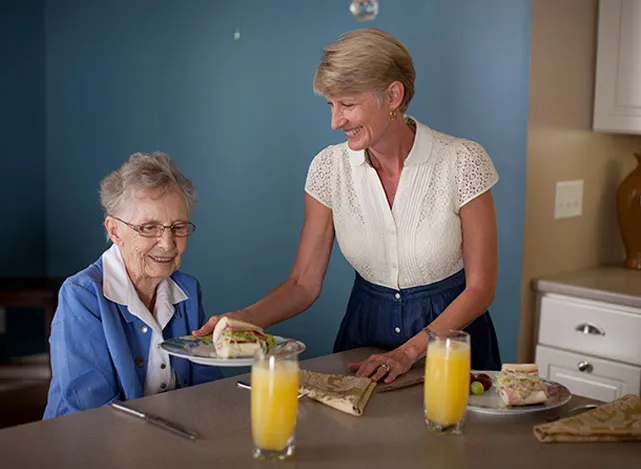
Meal preparation support can make daily life safer and more manageable.
How to talk with your parent about home care
Starting a talk about care can feel hard. You want to help, but you also want to respect your parent’s choice to live at home. The best way to know what a senior needs is to ask them directly instead of just guessing from a distance. Being there in person helps you see the real situation more clearly than a phone call can.
Find a good time
Before you speak with your parent, look for specific signs elderly parent needs home care in their daily life. This might include trouble with bathing, a messy house, or missed meals. Having clear examples makes the talk less about your fears and more about their real needs. It helps keep the mood calm and focused on facts rather than feelings.
Use a soft touch
When you sit down to talk, focus on your love for them. Use “I” statements to show how you feel without making them feel judged. For example. Say “I feel worried when I see the stairs are hard for you” instead of “You can’t use the stairs.” This keeps them part of the plan and helps them feel in control of their own life.
Choose a calm day: Pick a quiet time when no one is in a rush. Avoid times when your parent is tired or has a big event coming up soon.
Start with a soft lead: Mention a small thing you saw. You might ask how they feel about keeping up with the yard or cooking every night.
Listen to their views: Let your parent share their own worries. They may already know they need help but feel scared to ask for it.
Look at care options: Talk about how home health services like help with meds or physical therapy can keep them safe.
Involve a doctor: If they are not sure, suggest a visit to their clinic. A professional view can often make the need for help feel more real.
Move slow as a team
The goal is to move at a pace that feels right for everyone. You do not have to solve every thing in one day. Small steps, like a short visit from a helper, can show them how good care feels. This slow approach builds trust and helps your parent stay safe in the home they love.
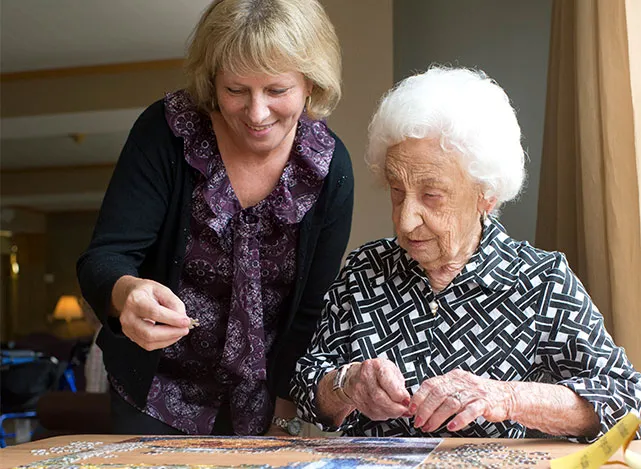
Consistent companionship gives older adults practical help and meaningful connection.
What professional home care can provide
Non-medical home care is a good choice when you see signs elderly parent needs home care. It lets seniors stay in their own space while getting the help they need to live well. Families can compare personal care and companion care to understand which level of support fits their parent’s routine. This type of care is not about medical care but about making life safer and easier for your loved one. Many loved ones find that having help in the home brings peace of mind. It also reduces the stress of care for the whole family.
Daily help at home
Professional caregivers help with the small and large tasks that keep a home running. This support includes meal prep, light chores, and laundry. For seniors who find it hard to stand for long or move around the kitchen, these services help. Caregivers can also help with daily tasks like bathing and dressing. This keeps a senior’s pride and health as they age in place.
These services are vital for seniors who have trouble with physical tasks. The National Institute on Aging says that signs of needing help often show up as trouble keeping up with hygiene or keeping a home clean. By handling these tasks, a caregiver ensures the home stays a healthy place to live. Touching Hearts at Home Aurora also offers meal preparation and light housekeeping for practical daily support. It also prevents falls that can happen when a senior tries to do too much alone.
Social visits and mood
One of the best parts of home care is the human bond that a caregiver brings. Many seniors face being alone, which can lead to low moods and other health issues. Caregivers give good social visits through shared meals, walks, and long talks. This social support is just as needed as physical help. It keeps the mind active and the spirit high each day.
Our team at Touching Hearts at Home Aurora works to reduce this being alone by giving steady, friendly faces. We match caregivers with seniors to build trust and improve their daily life. This bond helps seniors feel more linked to the world. It makes them feel less alone in their own homes. Whether it is playing a game or talking about family, these moments matter.
Flexible care that grows with you
Professional care is not a set plan. It can be changed as a senior’s needs shift over time. You can start with just a few hours a week to help with shopping or chores. This slow start helps a parent get used to having a caregiver in their home. It lets them keep their freedom while getting a bit of extra help.
As health needs change, the level of help can grow to include full-time care or 24/7 support. This choice lets loved ones check the care plan at any time. You can make changes that work for everyone. Home health care services can also help with medications and medical equipment if the case gets more complex. Having a plan that can grow ensures your parent always has the right help.
When is family support no longer enough?
Most family members start as the first line of help for their aging loved ones. You might stop by to check the mail or help with some chores. Over time, these small tasks can grow into a full schedule that leaves you feeling worn out. It is key to know the signs elderly parent needs home care before a crisis happens. When your own health or job starts to suffer, it may be time to look for professional help.
Check for caregiver strain
Caregiver stress is a real risk for many families in Aurora. You may find that you have less time for your own kids or your work. If you feel tired all the time or get angry easily, these are clear signs of strain. Taking care of a parent is a big job that often needs more than one person can give. Bringing in a pro can help you go back to being a son or daughter instead of just a worker.
A pro can also help when you live far away. Distance makes it hard to see small changes in health or home safety. You might not notice a messy kitchen or dirty clothes over a phone call. An expert eye can find these risks and help provide respite for family caregivers for your parent. This gives you peace of mind even when you cannot be there in person.
Notice changes in daily needs
A parent might need more help if they stop keeping up with their home or themselves. Look for things like a fridge full of old food or a house that is no longer neat. You should also watch for changes in how they move or look. Frequent falls or unexplained weight loss are major red flags. These signs often mean that a senior can no longer manage their daily life alone.
It is also vital to watch for mood shifts or memory gaps. While some small slips are a normal part of getting older, big changes are not. If a parent seems lonely or stops seeing friends, professional care can help reduce that sense of being alone. Helping them stay safe and social at home is the best way to support them as they age.
Frequently Asked Questions
How do I know if memory loss is a normal part of aging?
Small slips in memory are common as people get older. But major memory gaps or sudden shifts in mood are not normal. According to the National Institute on Aging, these signs often mean a senior has a health issue that needs a doctor’s care. If your parent is making poor choices or seems lost, it is time to look for expert help to keep them safe.
What are the early signs that my parent needs help at home?
Many seniors show they need help through changes in their home habits. You may see a messy house, stacks of old mail, or laundry that is not done. Signs like a dirty look or losing weight without trying are also major red flags. The NIA notes that trouble with cooking meals or bathing often shows a loss of self-care. These shifts mean a senior needs help to stay safe.
Can home care help a senior manage many health problems?
About four in ten adults over 65 have more than one health issue that lasts a long time. Managing these needs can be hard for a senior to do alone. Expert home services can help with wound care and medical tools. They also help with physical therapy and track pills to stop errors. This type of care lets seniors with complex health needs stay in their own homes while getting the help they need.
What is the difference between companion care and nursing oversight?
Companion care focuses on friendship and light tasks like chores or meals. Expert care often includes nursing oversight to bridge the gap between basic help and medical care. Touching Hearts at Home Aurora can help families assess whether companion support, personal care, or a medical provider best fits a senior’s needs. This is vital for those who need more than just a friend to help them with daily tasks or dementia care.
Ready to schedule a free home care consultation?
Waiting until a crisis happens often means you have fewer choices for your parent’s care. If you do not act now, small safety issues can quickly turn into major health problems that are hard to fix later. Taking the first step today gives you time to find the right caregiver who can build a strong bond with your family. This early start keeps your loved one safe in the home they love and avoids the stress of a sudden move. You can ensure they get the daily support they need to stay happy and active. Help your parent live with dignity and joy by planning ahead today.